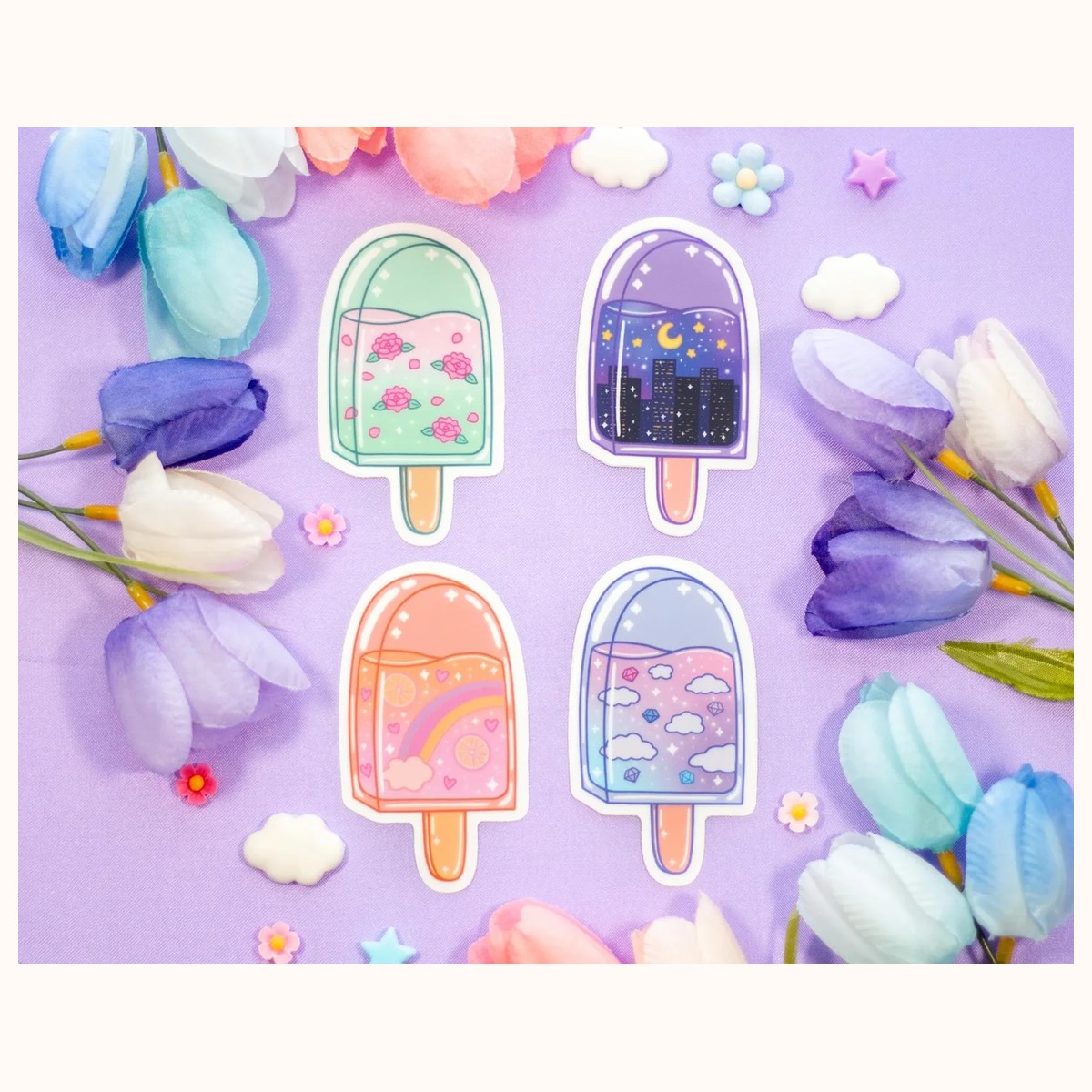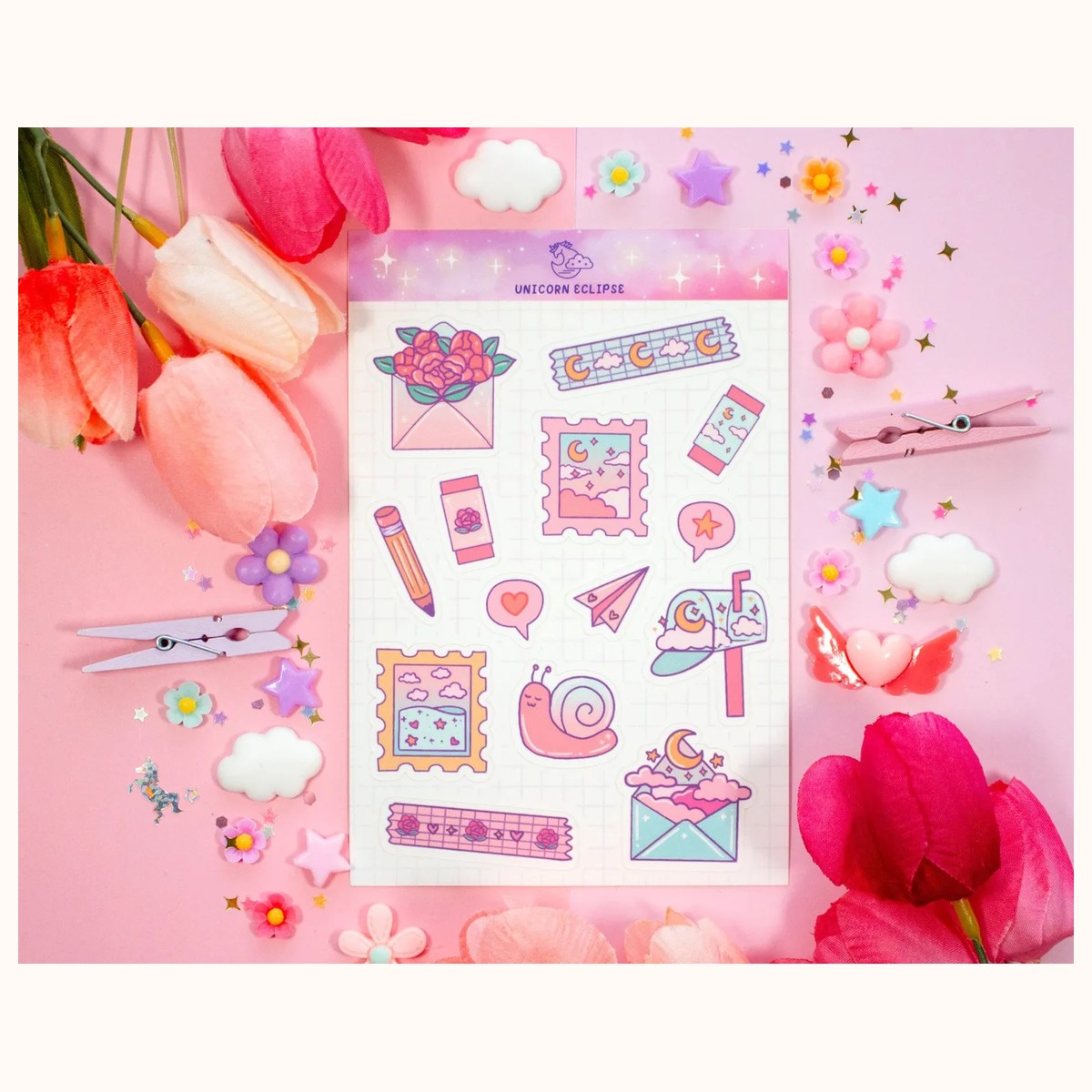
A thoughtful wholesale stationery assortment is not simply a large pile of attractive products. For a small shop, it is a working mix: familiar items that solve everyday needs, distinctive pieces that create browsing interest, and enough price and format variety for customers to make an easy choice. The aim is to use limited shelf space and cash carefully while giving shoppers a clear reason to return.
The process below helps you plan an opening range without pretending to know your customers perfectly in advance. Start with the products and categories that fit your shop, test a manageable selection, and use evidence from sales and customer questions to shape the next order.
1. Start with the shop’s customer and use cases
Before selecting individual designs, write down who is most likely to buy stationery from you and what they will do with it. A school-focused neighborhood may need quick notes, study cards, pencil cases, and practical desk items. A gift-led street may respond better to attractive stickers, washi tape, bookmarks, and small accessories. A bookshop corner may need products that sit naturally beside reading: note cards, bookmarks, and writing prompts.
Do not reduce this exercise to a demographic label. Describe the purchase moment instead. For example:
- “A student needs a compact item for a study plan and has a modest budget.”
- “A reader wants a small add-on with a book.”
- “A journal user wants coordinated decorative supplies.”
- “A last-minute shopper wants something useful but still personal.”
These use cases help you reject attractive products that have no clear role. They also suggest where to display them. A note-card bundle can sit near reading or study products; a sticker sheet can work near journals; a pencil case can be grouped with writing supplies rather than hidden in a gift section.
A useful first decision is whether the assortment should be need-led, discovery-led, or blended. Need-led ranges prioritize repeatable basics and clear functions. Discovery-led ranges emphasize visual novelty and collecting. Most small shops benefit from a blend, but the proportion should follow your location and existing customer behavior rather than a generic rule.
If you are unsure, ask a few simple questions at the counter: “Are you looking for something practical or decorative?” and “Is this for you or a gift?” Record the answers for a week. If customers repeatedly ask for a category you do not carry, that is a stronger signal than a passing design trend.
2. Build a balanced range by role, not by random design
Once the customer uses are clear, assign every proposed product a job. A compact opening assortment might contain four roles:
Everyday anchors
These are easy to understand and likely to have broad use. Sticky notes, memo pads, note cards, and pencil cases can anchor the range because customers do not need a long explanation to see their purpose. The Writer Aesthetic Cute Sticky Note Memo Pad, for example, is a 3 x 3 inch pad with 50 sheets and adhesive backing. It can serve quick lists, reminders, and page marking, so it is easier to merchandise as an everyday item than a highly specialized craft product.
Decorative companions
These raise browsing interest and can be paired with anchors. Consider sticker sheets and washi tape for planners, journals, cards, or wrapping. The Penpal Snail Mail Aesthetic Matte Sticker Sheet offers 14 individual stickers on a 4 x 6 inch sheet, giving a customer several small accents in one purchase. A roll such as Paper Planes and Boats Washi Tape can sit beside it as a complementary decoration rather than compete for the same display position.
Giftable add-ons
Small, low-commitment items can increase the number of ways a customer uses your shop. Bookmarks are especially relevant near books, while a pencil case can turn a stationery purchase into a more complete set. The Stacked Books Cute Aesthetic Bookmark is approximately 2 x 6 inches and printed on both sides, making its purpose immediately clear at a glance.
Theme or test items
Reserve a smaller portion of the opening order for designs that test a mood, color family, or audience. Examples include a dreamy cloud theme, a study theme, or a retro computer motif. Test items should be limited enough that slow movement does not trap too much cash. If one theme sells across stickers, notes, and bookmarks, you have evidence for a coordinated follow-up; if it stalls in every format, do not multiply the same idea.
For a practical starting structure, list 8–12 proposed stock-keeping units (SKUs), then label each as anchor, companion, add-on, or test. Avoid ordering several products that all perform the same role. Three nearly interchangeable decorative sticker sheets may create visual variety but not functional variety. Conversely, one note pad with no nearby companion may look isolated. The goal is a range that can be browsed as a set while still offering distinct reasons to buy.
3. Plan quantities, prices, and shelf space before ordering
A small shop should decide the physical and financial limits first. Measure the actual display area, count how many facing positions it provides, and set a maximum opening spend that does not interfere with essential operating costs. Then estimate how many units each SKU can occupy without making the display look overfilled.
Use a simple allocation sheet with these fields: product, role, customer use, planned quantity, selling price, display location, reorder signal, and notes. The reorder signal might be “reorder when two units remain” for a fast-moving anchor, or “review after four weeks” for a test item. You do not need a complicated forecast; you need a consistent way to compare decisions.
Think in price steps rather than one single price point. A customer may want a small add-on, a practical mid-range item, or a more complete purchase. Within the catalog, a bookmark can act as an accessible entry item, note cards can offer a larger writing format, and a pencil case can provide a higher-value organizational option. Check the current catalog and your own costs before setting retail prices; the product pages are useful for confirming names and listed details, but your wholesale terms, overhead, tax treatment, and local pricing rules determine the final decision.
Display capacity matters as much as budget. Keep labels visible and leave enough room for customers to pick up a product without disturbing the whole row. Place small sticker sheets and washi tape where their designs can be seen clearly. Keep loose or delicate paper goods away from damp areas and direct handling that could bend them. If a product has a specific usage note, such as a memo pad being non-adhesive, make that clear on the shelf rather than allowing customers to discover it after purchase.
A common problem is buying too deeply into a single aesthetic because it looks cohesive in a supplier image. The remedy is to cap the first order per theme. Mix one or two coordinated designs with contrasting practical items, then observe whether customers buy complete combinations or only individual pieces. Another problem is buying only attractive low-priced items; this can produce many transactions but little value per visit. Include a few useful, higher-value formats while keeping the entry items easy to browse.
For a wider starting point, review the wholesale collection, then narrow the list using your own shop’s space, audience, and budget. The collection is a discovery source, not a reason to stock every category at once.
4. Test, read the signals, and improve the next order
Treat the first assortment as a small retail experiment. Give each product a clear location and record the date it goes on display. At a regular interval, note units sold, customer questions, requests for unavailable variations, and products frequently picked up but not purchased. These observations explain performance better than sales totals alone.
If a product receives attention but does not sell, troubleshoot the offer before abandoning it. Is the price visible? Is the function obvious? Is it hidden among too many similar designs? Try moving it beside a relevant companion, adding a concise use suggestion, or reducing visual clutter. If it still does not move, mark it as a slow test item and avoid reordering automatically.
If an item sells quickly, do not assume every related product will perform equally. Compare why it sold. A checklist sticky note may be useful to students, while a visually similar memo pad may appeal mainly to gift shoppers. A bookmark may sell near books but stall on a general stationery shelf. Reorder the proven item first, then add only one adjacent test so you can tell which change made a difference.
Watch for assortment gaps. Customers asking for “something to write on” may need note cards or memo pads; customers pairing stickers with notebooks may be telling you to improve cross-merchandising; customers asking whether a product is sticky, removable, or suitable for a particular surface may need clearer information. Catalog descriptions can help you verify the product’s listed format and use, while contacting Farouk Book Store is appropriate when you need to confirm a detail before committing to a wholesale order.
Finally, review the range by role, not just by best-seller ranking. Keep dependable anchors, refresh a few companions, and retire tests that have had a fair chance without traction. Change enough to keep the display interesting, but not so much that returning customers lose familiar choices. A successful small-shop assortment is an edited system that becomes more accurate with each reorder.
Related reading: How to Choose Stickers for Journals and Planners · 2026 Stationery Trends: Color, Texture, and Joy · The Future of Independent Stationery Shops