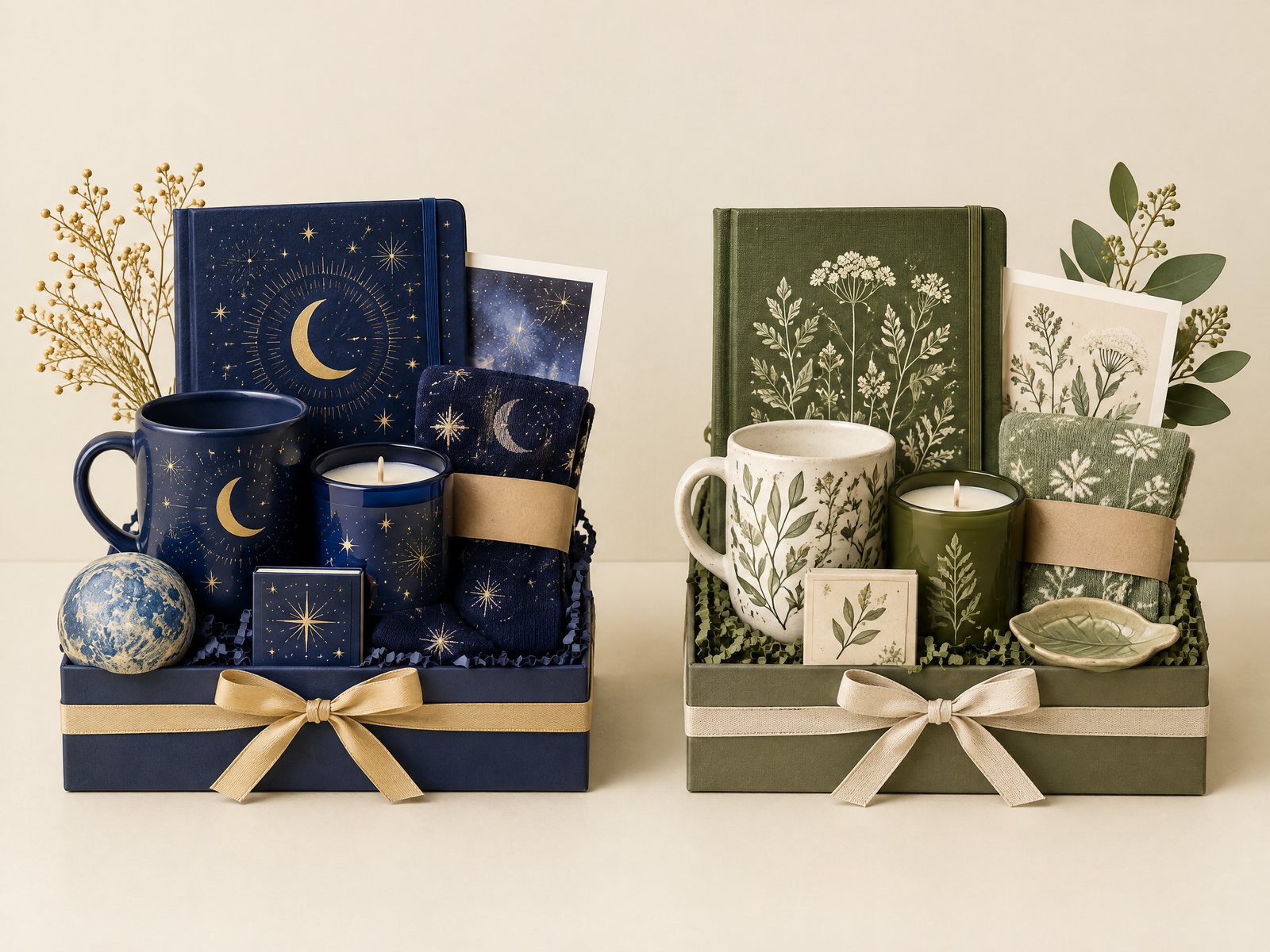
Buying for siblings at the same time can create an oddly specific problem: one person loves moons and midnight colors, while another prefers leaves, warm neutrals, or something plainly useful. A pair of identical gifts may look fair but feel impersonal; two wildly different gifts can invite comparisons. Farouk Book Store makes it possible to browse a broad editorial selection, but the useful work is yours: translate what each sibling actually likes into two small choices that feel equally considered without forcing them into a theme.
The goal is not to prove that the gifts cost the same, match perfectly, or express a personality theory. It is to give each person a clear “this made me think of you” moment. Start with evidence—an often-used color, a hobby they mention, the kind of object they carry—and let the selections diverge from there.
Begin with preferences, not sibling roles
“Older,” “more practical,” “the creative one,” and “the difficult one” are shortcuts, not shopping information. They can push you toward stereotypes and make a present feel like a judgment. Instead, make a two-column note before opening product pages. Label the columns with names, then record three observable clues for each person:
- Visual comfort: muted or vivid colors, small illustrations or bold graphics, botanical or celestial imagery, matte or glossy finishes.
- Use context: desk, reading bag, school supplies, keys, window, or occasional display.
- Tolerance for extras: one distinctive object, a coordinated mini-set, or a consumable paper item that can be used and replaced.
Ask a low-pressure question if you can: “Would you rather receive something for your desk, your bag, or your reading time?” This gives useful direction without revealing every detail. If the gifts are a surprise, look at what they already choose—not what you hope they will become. A sibling who owns plain black notebooks may appreciate one strong accent, but may not want a pastel bundle simply because it photographs well.
Keep a “not sure” column too. It prevents a guess from hardening into a label. If one person’s preferences are less visible, choose a flexible format rather than pretending to know their aesthetic. A notebook, note card set, or small pouch can be assessed by function first and motif second.
Build two different routes from one fairness rule
Fairness works better as a shared decision rule than as identical contents. Decide in advance what will be equivalent: perhaps each sibling receives one main item and one small supporting item, or each gets something useful plus one visual delight. The objects can then be different in color, motif, size, or purpose. Tell yourself the rule in plain language: “Same thoughtfulness, not same silhouette.”
A practical comparison check has four questions:
1. Does each bundle contain a recognizable focal item? 2. Does each bundle have a reason connected to that person, rather than a generic “sibling” theme? 3. Is the overall effort similar, even if one item is more visually striking? 4. Would each person still like their bundle if they never saw the other one?
That last question catches a common failure. A dramatic celestial item can make a restrained botanical choice look “smaller” even when the prices or usefulness are comparable. Counter it by giving the quieter bundle a deliberate role: an everyday notebook, a well-chosen envelope set, or a single art print that fits an existing space. Do not add random filler just to make a package look fuller.
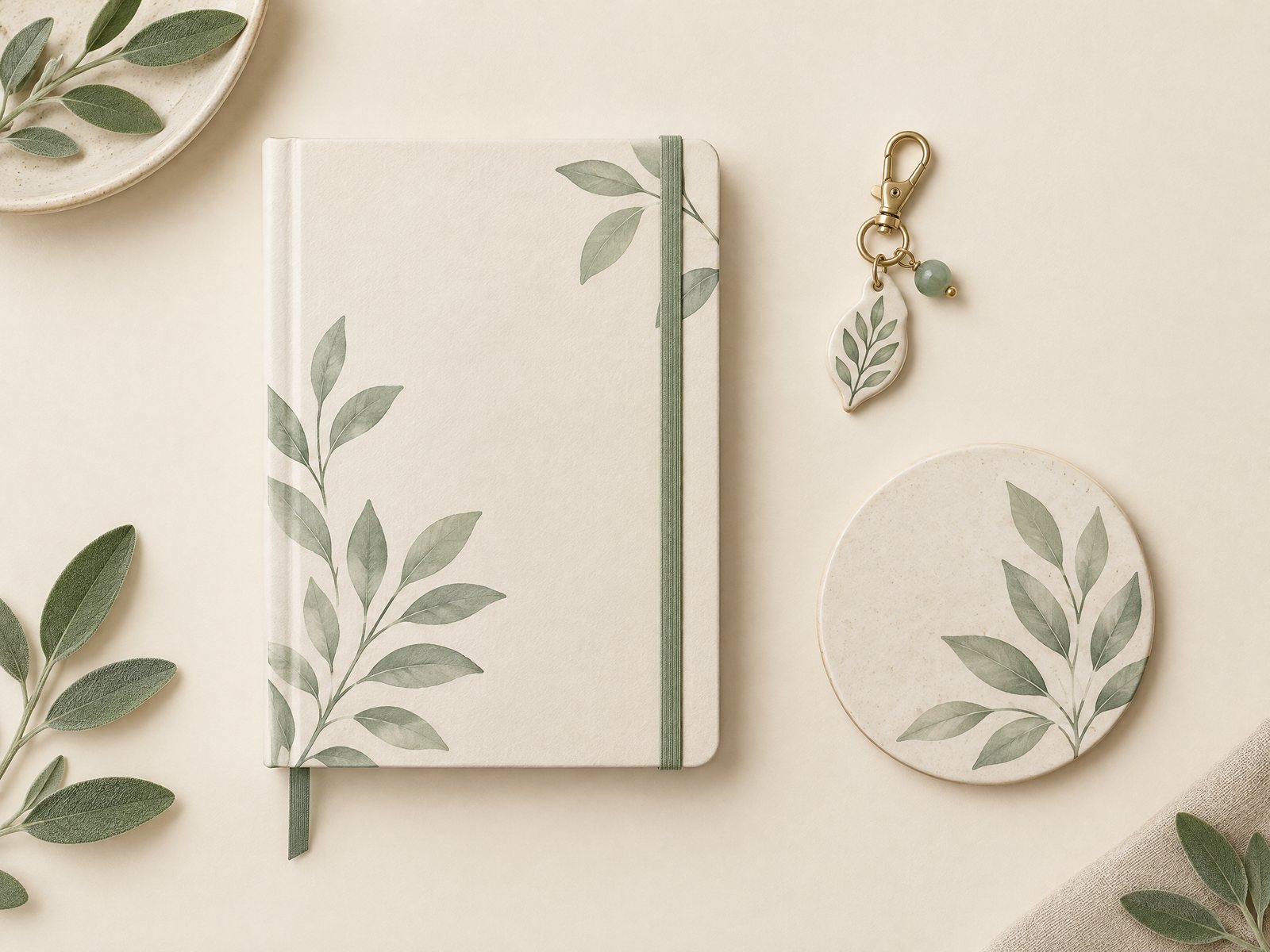
For one sibling who enjoys plants, paper textures, or gentle illustration, the Botanical Bliss Spiral Lined Notebook is a concrete starting point. The catalog describes a 7 x 9 inch spiral notebook with 120 lined college-ruled pages, a soft-touch laminated cover, and a rigid back. Those details support an everyday writing route: notes, lists, or journaling without claiming that the item is a perfect match for everyone who likes plants. Pair it with a short handwritten explanation of why the size or lined format seemed useful.
For the sibling who prefers dreamy skies or a smaller reading accessory, the Starry Clouds Cute Aesthetic Bookmark offers a distinctly different direction. The catalog listing describes a bookmark suited to novels, journals, planners, and textbooks, approximately 2 by 6 inches, printed double-sided on glossy cardstock with rounded corners. It can stand alone as the focal item; adding more star imagery is optional, not required. These are examples from the shop’s selection, not a claim that Farouk designed or manufactured every catalog artwork.
Use contrast without creating a competition
Contrasting gifts feel intentional when they share one quiet structural detail. Give both siblings a small paper message, use the same wrapping paper with different labels, or choose two objects that are similarly portable. Avoid making the visual difference a contest between “interesting” and “boring.” One person may value a calm surface precisely because it does not demand attention.
A useful pairing exercise is to write a one-sentence brief for each bundle:
- “For the sibling who likes a generous writing surface and botanical color, choose one practical notebook and leave room for their own use.”
- “For the sibling who reads in several places and prefers a dreamy accent, choose one compact marker and keep the rest of the package quiet.”
If both briefs sound equally specific, you are probably on the right track. If one says “anything cute,” return to the evidence stage. Specificity is not about spending more; it is about noticing more.
You can also coordinate through placement instead of matching. Put a botanical item in a desk-oriented bundle and a celestial marker in a reading-oriented bundle. Or reverse those roles if the people—not the motifs—suggest it. A sibling who loves astronomy may not want a star-themed object, while someone with no stated celestial interest may simply enjoy a blue bookmark. Let observed use outrank the visual story.
Adjust the bundle for the moment of giving
The same items can feel different depending on whether the occasion is a birthday, holiday, graduation, or an ordinary “I saw this and thought of you” gesture. For a shared family celebration, keep the presentation parallel: two similarly sized envelopes or bags, each with a private note. For a casual exchange, skip elaborate balancing and give each person one item with a clear reason.
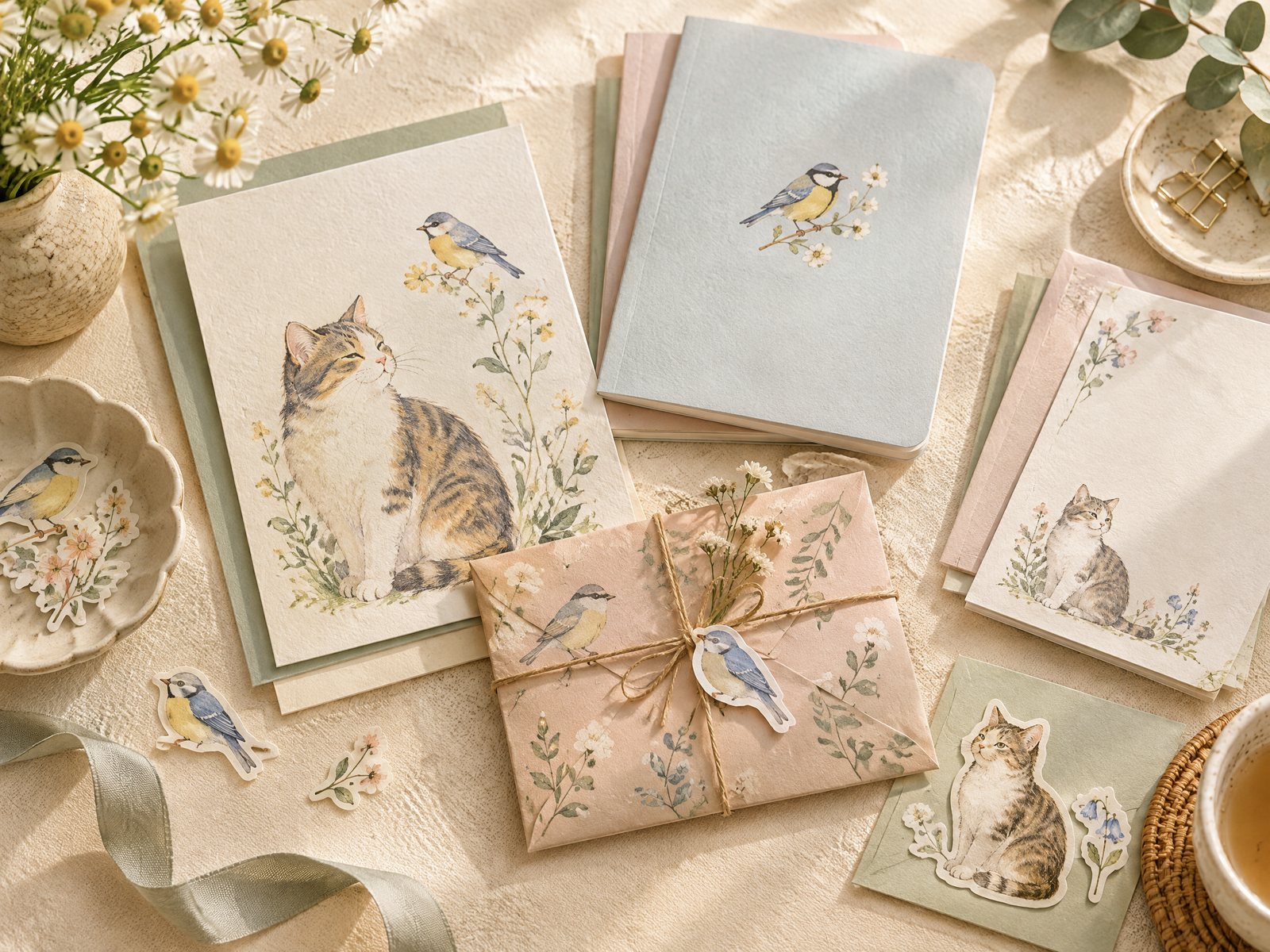
If you want a second component, choose it by function. The Botanical Bliss Envelopes are listed as an A7 set of 10, approximately 5.25 x 7.25 inches, with full-color botanical printing and moisture seals. That could suit a sibling who writes invitations or keeps correspondence supplies. It would be a poor add-on for someone who rarely sends paper mail, even if the design coordinates beautifully. Ask whether the recipient has a natural occasion to use the item before including it.
For a shared browsing starting point, the accessories collection can help you compare categories rather than forcing both siblings into the same product type. One might need something for a bag; another might prefer a paper object for a desk. Check the individual listing for current details, and remember that the site’s bag prepares an email order request rather than functioning as a payment checkout. Inventory, taxes, and shipping need confirmation before you promise a particular arrival date.
A few failure cases are worth planning for. If one sibling sees the other’s gift and says, “Why did they get the bigger package?” answer with the reason, not a price defense: “Yours was chosen for how you use your desk,” or “This one matched your reading habit.” If the first choice misses, do not insist that the motif is “so them.” Offer an exchange of the unused item if your arrangements allow, or treat the feedback as information for the next occasion. The point is recognition, not winning a guessing game.
Finally, keep private preferences private. Do not announce that one sibling is “harder to shop for,” disclose what the other requested, or turn the presentation into a personality comparison. If you need clarification about a listing or an order request, use the contact page; for general shop context, visit About Farouk Book Store. Browse as an editor, choose as an attentive family member, and let difference be part of the fairness rather than a problem to erase.
Related reading: How to Build a Personalized Gift Bundle, Small Gifts for Book Club Members Without Matching Everyone, and Why Small Gifts Create Big Connections.