A small animal image can make a gift feel wonderfully specific—or oddly presumptuous. A cat illustration is not automatically right for every cat owner, and a bird motif does not tell you anything reliable about someone’s character. The useful question is simpler: what animal imagery has this person already chosen, mentioned, worn, or displayed, and where would a small gift fit their life? Farouk Book Store is a helpful place to make that decision as an edit rather than a personality test. Its catalog brings together different goods and designs, so you can compare motif, scale, color, and use without claiming that every original artwork came from the shop.
This guide builds two contrasting selections: a quiet, bookish edit and a bright, conversational edit. Both begin with evidence, not assumptions. The examples use the catalog’s actual formats—including the Whale Book Enamel Pin, the Reading Room stationery collection, and a small paper companion from the accessories collection. Check the live listing for current availability and details before requesting an item; the website’s bag prepares an email order request, so inventory, taxes, and shipping still need confirmation.
Start with a preference you can actually name
Before choosing an animal motif, write down one piece of information you genuinely know. It might be “they collect whale illustrations,” “they keep a birdwatching notebook,” “they always choose black-and-cream accessories,” or “they like tiny, humorous images on their bag.” A direct comment, an existing object, or the setting of the gift is stronger evidence than a broad label such as “They are adventurous” or “They seem like a cat person.” Animal symbolism can be charming, but it can also flatten a person into a stereotype.
Use a three-question brief:
1. What visual connection is known? Name the animal, a recurring color, a favorite bookish setting, or a specific memory. If the only evidence is a guess, choose a neutral design or ask a gentle question instead. 2. Where will the gift live? A jacket, backpack, pin board, reading bag, desk, journal, or envelope all call for different scales and levels of visibility. A person may enjoy animal art privately but dislike a conspicuous accessory in public. 3. What is the gesture asking them to do? Wear it, display it, write with it, or simply open it? A gift that requires a new habit is less personal than one that slips naturally into an existing routine.
This brief prevents a common failure: buying the most adorable motif and then searching for a reason it suits the recipient. If the recipient has never used pins, a pin is not automatically a good choice just because it is small. If their desk is already crowded, a practical paper item with a restrained animal reference may be kinder than another object to display.
Edit one: quiet, bookish, and easy to place
The quiet edit works when the recipient likes reading, understated color, or small details that reward a second look. It does not require a solemn personality; it simply keeps the animal image from competing with the rest of the gift. Start with one motif, one supporting color, and one useful destination.
The clearest catalog example is the Whale Book Enamel Pin. Its whale-and-book image connects two known interests without making a claim about the recipient’s character. The listing describes a hard-enamel pin with a gold-plated finish, approximately 1.25 by 1.75 inches, fastened with two rubber clutches. Those concrete details help you decide where it belongs: a jacket lapel, backpack, hat, fabric display, or cork pin board. If the recipient does not wear pins, the board or bag option may be the better context—or the item may simply be the wrong format.
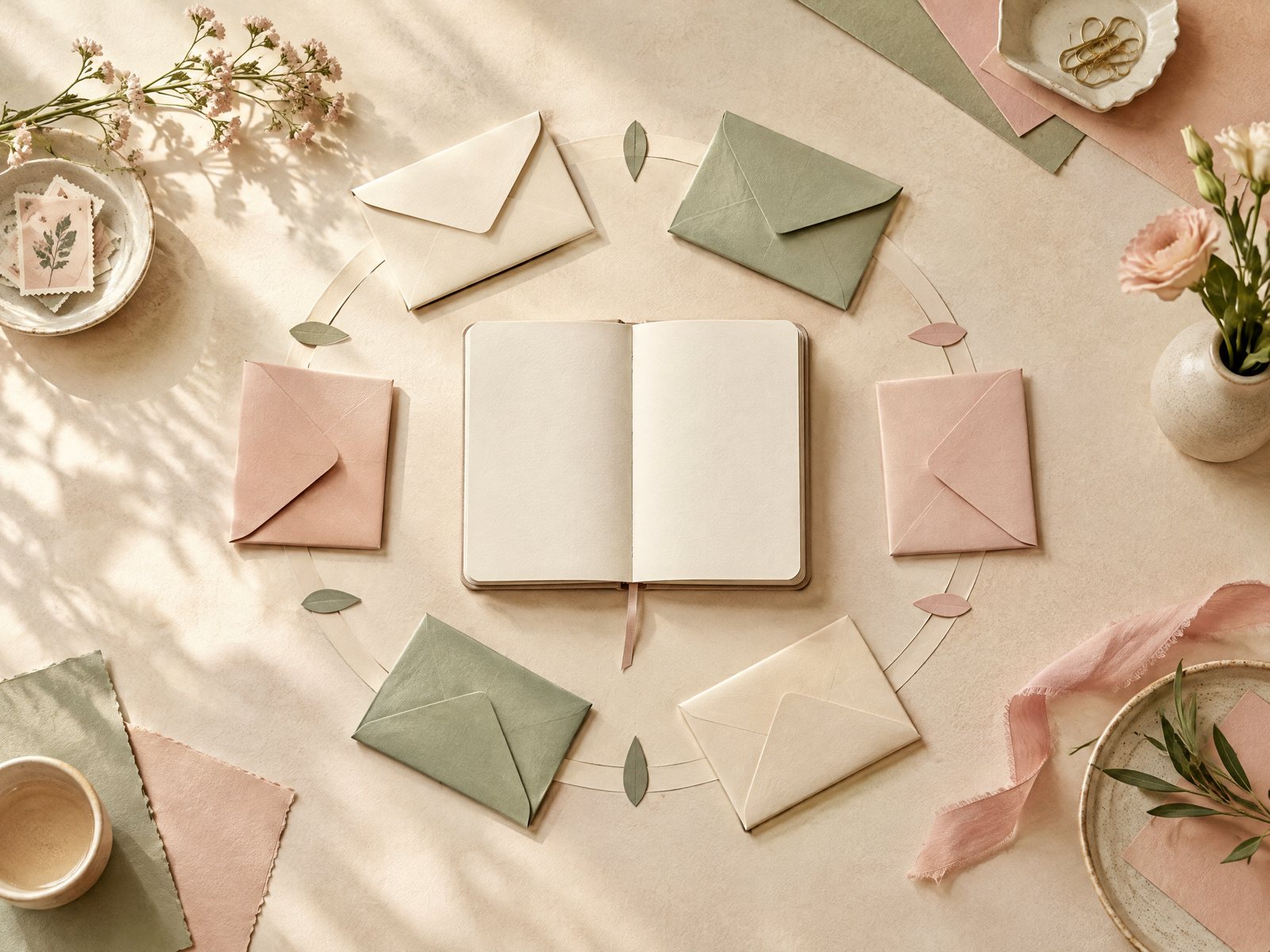
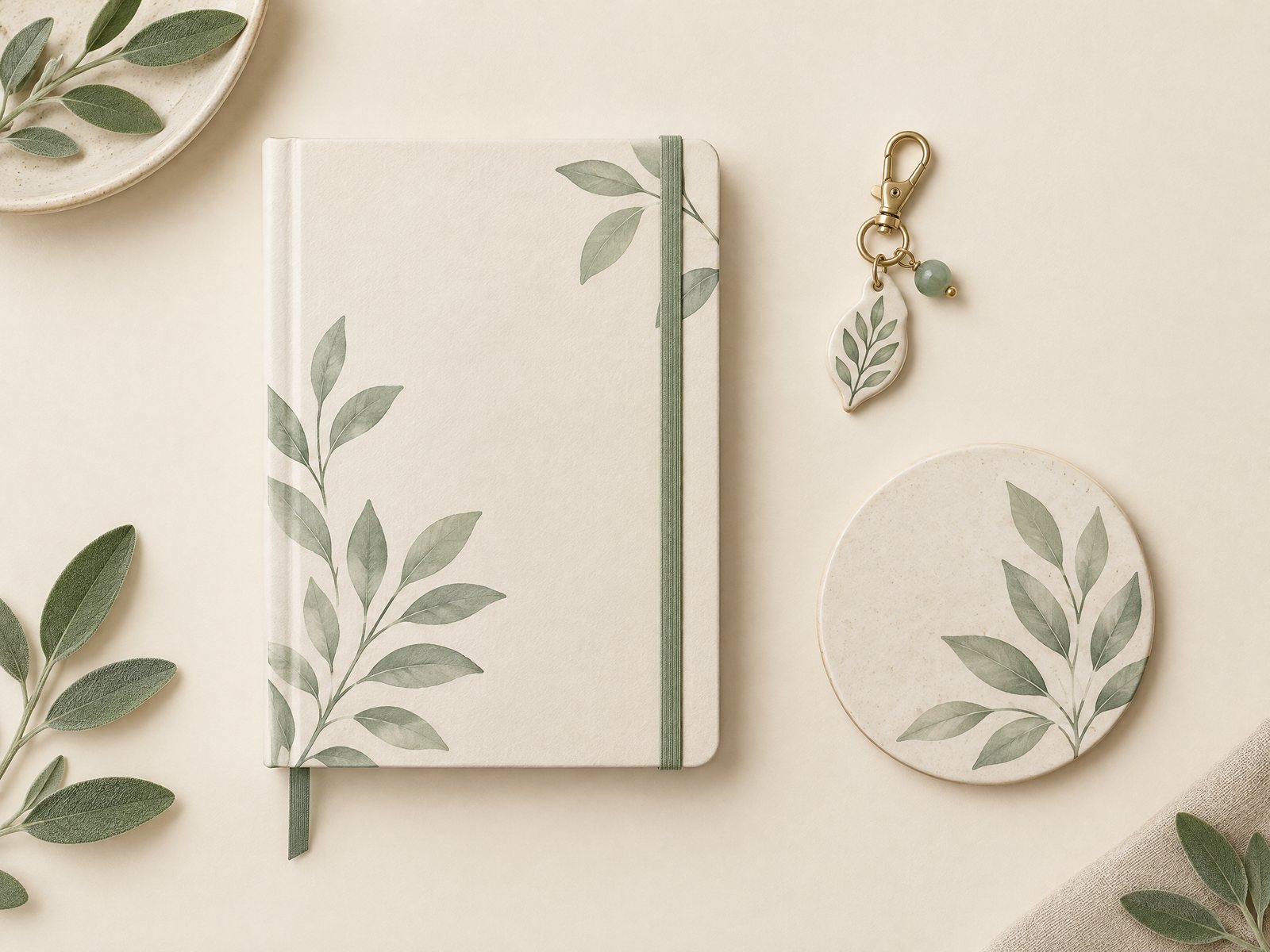
Build around the pin rather than adding several competing animals. A cream envelope, a short handwritten note, and one muted paper accent can make the gift feel finished. The Reading Room Envelopes are an actual catalog option for presenting a small paper gesture; use them as the container, not as proof that the recipient wants a library-themed collection. If you want a paper component, choose a card or note format whose purpose you know they will use, then let the whale-and-book pin carry the visual reference.
A useful test is the “remove one” test. Lay out the pin, envelope, note, and any proposed sticker or tag. Remove the extra animal image. If the arrangement becomes clearer, leave it out. Quiet does not mean colorless; it means the focal point is decided. Keep the note about a shared reading moment, a favorite shoreline memory, or a book they once recommended—not a sentence explaining what a whale supposedly says about them.
Watch for a second failure: over-literal matching. A whale pin, ocean-blue envelope, wave pattern, sea-themed card, and nautical ribbon may turn a personal gesture into a themed party favor. One related color is enough. If the recipient’s existing style is monochrome, let the pin be the only warm metallic or colored detail. If they already have a maximalist bag, a single bookish pin can still work, but place it where it will be seen rather than hiding it among ten other charms.
Edit two: bright, social, and visibly playful
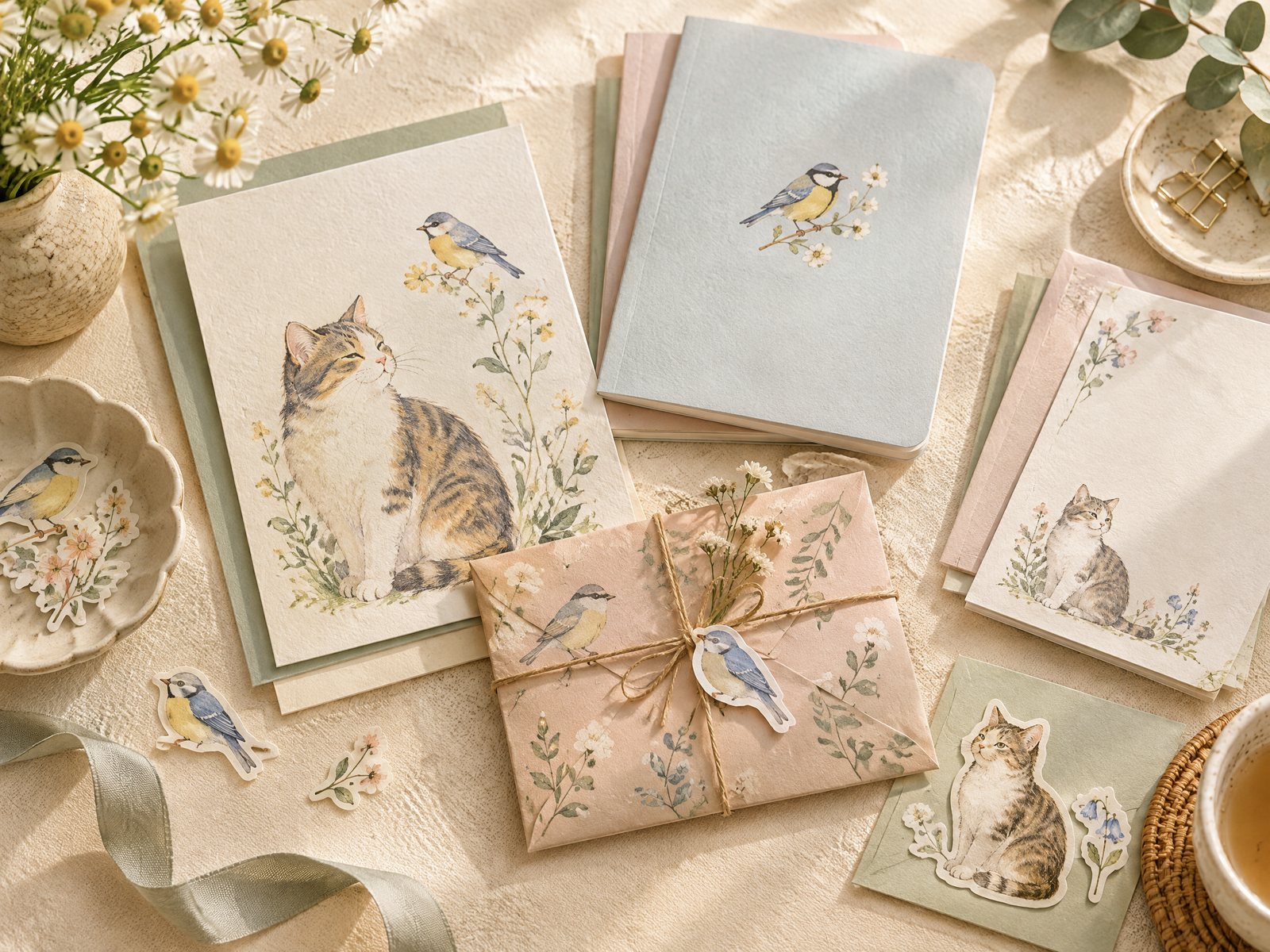
The second edit suits someone who has clearly shown a preference for cheerful illustrations, pastel stationery, or conversation-starting accessories. The emphasis is not “this person is playful.” It is “this person has chosen playful objects before, and this gift can join that visual language.” A bird motif, for example, could connect to a known bird sketchbook, a recurring backyard observation, or an inside joke. Without that context, a bird is just a bird—and that is fine, but it is not a personality diagnosis.
Begin with a small focal image or animal reference, then support it with a useful paper piece. The Accessories collection is a sensible place to browse formats that can accompany a gift without dictating how it must be displayed. One actual example is the Blooming Records Sticker Sheet, a 4 by 6 inch sheet with 18 record-inspired and floral designs on matte sticker paper. It is not an animal product, so do not describe it as one; its role in this edit is to show how a recipient who already enjoys decorative paper might receive a small, colorful companion alongside a more specific animal item.
Use the sticker sheet only when you know the recipient likes applying stickers to notebooks, phone cases, or other personal items. If they prefer untouched paper, tuck it into the envelope as an optional extra rather than presenting it as the main gift. Let the animal motif come from the known reference—perhaps a bird-themed note you create with original wording, a small animal accessory you have confirmed is available, or a bookish animal pin such as the whale example above. Do not invent a cat or bird product, and do not turn the planned illustration for this article into evidence that such an item is in the catalog.
Color can distinguish this edit from the quiet one. Choose one lively accent—such as sky blue, coral, or leaf green—and repeat it twice: once in the paper and once in a tiny detail on the note or envelope. Keep the animal image at a different scale from the supporting pattern. A large illustrated bird beside a large patterned sheet creates competition; a small animal detail against open paper gives the eye somewhere to rest.
The failure case here is “cute accumulation”: animal sticker, animal pin, animal keychain, animal card, and animal wrapping all at once. The recipient may like animals and still dislike visual clutter. Remove anything that repeats the same function. If the gift already has a wearable focal point, use plain paper around it. If the recipient enjoys decorating, give them one flexible sheet rather than five preselected surfaces. Personalization is not the same as quantity.
Make the choice considerate from shortlist to handoff
Once you have a preference and a context, compare only two or three candidates. Note each candidate’s motif, scale, placement, and required behavior. “Whale-and-book pin; backpack or board; recipient already wears pins” is a stronger record than “cute gift.” “Bright paper companion; notebook; recipient uses stickers” is similarly actionable. This small decision log also exposes uncertainty before you place an order.
Avoid using the gift to test an assumption. Do not write, “This is because you are mysterious,” “This proves you are a free spirit,” or “Every cat lover needs this.” Try, “I remembered the bird sketches in your notebook,” or “This made me think of the book you lent me.” The first set assigns an identity; the second names an observed connection. If you are unsure whether the motif is welcome, a brief question—“Would you enjoy a small animal illustration on a notebook or bag?”—is more personal than a confident guess.
Presentation should also respect privacy and practicality. Use a note that does not reveal a private hobby to a public audience if the item will be opened at work or in a group. Do not attach anything permanently to someone else’s belongings. If you are ordering from Farouk Book Store, remember that a bag email is an order request rather than a completed payment checkout; confirm availability and the final order details through the shop before promising a particular item or delivery timing. For questions about the catalog or an order request, use the contact page; the shop’s general information is also available on the about page.
The best animal-motif gift is therefore not the one with the cleverest symbolism. It is the one that shows you noticed a real preference, chose a fitting scale, and left the recipient room to use or display it on their own terms. A quiet whale-and-book pin can be enough. A colorful paper companion can be enough. Start with what you know, make one clear edit, and let the animal remain an invitation rather than a label.
Related reading: Continue with How to Build a Personalized Gift Bundle, 10 Best Creative Keychains for Thoughtful Gifts, and Why Small Gifts Create Big Connections.