A good pen pal letter starter does more than help you say hello. It gives the other person a clear way to answer, so the exchange can become a conversation rather than a one-time introduction. After sharing your name, location, and basics, move into details, open questions, and stories that reveal how you see everyday life. You do not need an extraordinary life; you need specific observations and room for a response.
Turn basic facts into conversation
Introductions often become a list: age, hobbies, pets, school or work, and favorite colors. Those facts are useful, but a list does not always create an easy reply. The next step is to choose one fact and add a detail, feeling, or question around it.
For example, instead of writing, “I like reading,” try: “I have been reading mystery novels lately, and I always suspect the quietest character first. What kind of book keeps you turning pages past bedtime?” The first sentence gives your pen pal something concrete; the second gives them a direction for replying.
Use this three-part pattern when you get stuck:
1. State a detail. “I walk past a small bakery on my way to work.” 2. Add your reaction or a mini-story. “The smell of cinnamon makes me want to change my breakfast plans.” 3. Invite a related answer. “Is there a food shop, café, or market you look forward to visiting?”
This pattern works for any subject. A hobby can become a story about how you started; a favorite season can become a description of your neighborhood; a pet can lead to a funny habit. Specificity makes a short subject feel personal without requiring private information.
If you are writing to someone you do not know well, choose low-pressure topics first. Mention music or a weekend routine without requesting private memories, an exact address, or a schedule. Offer the level of detail you would feel comfortable receiving from a new acquaintance.
Try these sentence bridges after your introduction:
- “One small thing that made me smile this week was…”
- “Lately, I have been curious about…”
- “A place I would happily visit again is…”
- “My ordinary day becomes more enjoyable when…”
- “I used to think ___, but recently I changed my mind because…”
These are starters, not requirements. Pick one that sounds like you. If a prompt feels artificial, replace it with something you genuinely noticed.
Build a letter your pen pal can answer
The best letter mixes statements with questions. Too many questions can feel like an interview, while only statements can leave the recipient unsure how to continue. Share two or three details before asking one related question, then answer it briefly so the other person is not doing all the work.
For instance:
> “I tried making tomato soup on Sunday and added far too much pepper. I still ate two bowls because the weather was cold. What is a meal you make when you want something comforting? Mine would probably be soup, toast, or noodles.”
Notice how the paragraph includes an event, a small imperfection, a preference, and a question. It feels easier to answer than “What is your favorite food?” because the recipient has several possible entry points.
Open questions are helpful, but they should be specific enough to answer. “What is your life like?” is broad and may overwhelm a new pen pal. Consider narrowing it to one of these:
- “What part of your usual week do you look forward to most?”
- “What is a local snack someone visiting you should try?”
- “Which song, book, or show have you returned to more than once?”
- “What is something you are learning slowly, just for fun?”
- “If you had one free afternoon this month, how would you spend it?”
You can create a recurring feature that makes future letters easier. End with “Three small things from my week,” or include a “question for next time” to reduce the pressure to invent a perfect topic every time.
When choosing what to include, consider the recipient’s stated interests. If they mentioned drawing, ask what they like to draw in ten minutes; if they enjoy travel, ask about a place that surprised them. Referencing something they shared shows that you read carefully.
A first-page outline:
- Greeting and one sentence acknowledging their last message or profile.
- One short story from your week.
- A related preference or opinion.
- One or two questions that naturally follow.
- A small “next letter” promise, such as a book update or recipe attempt.
If your letter becomes long, do not add questions just to fill space. One sincere topic beats six rushed subjects.
Use prompts when the page goes quiet
Writer’s block often appears after the first paragraph. Instead of searching for a dramatic topic, use a prompt that turns an ordinary moment into material. Look around you and describe one object on your desk: why it is there, how you use it, or what it reminds you of. Write about a sound you noticed today, a task that took longer than expected, or a small decision you made.
Here are four prompt groups with concrete ways to develop them:
A place: Describe a room, street, park, library, or shop using three sensory details. Then explain when you usually go there and ask whether your pen pal has a similar place.
A routine: Choose a repeated action such as preparing breakfast, commuting, studying, or winding down at night. Mention one part you enjoy and one part you would change. Ask about the other person’s version of that routine.
A memory: Pick a harmless, everyday memory—a school project, a rainy afternoon, a first attempt at cooking, or a game you played often. Tell the moment in three steps: what you expected, what happened, and what you remember now.
A curiosity: Share something you have wondered about recently. It might be why a certain plant grows well near your home, how a craft is made, or why a song stays in your head. You can invite your pen pal to explain, guess, or share a related curiosity.
A prompt works when it produces both a detail about you and a possible response. If it invites only one word, reshape it: “Which color appears most often in your room, clothes, or stationery, and did you choose it deliberately?”
You can add a small creative choice without turning the letter into a performance: a reasoned book recommendation, tiny sketch, two-line poem, “this or that” pair, or list of three things for a quiet weekend. Keep it optional; the letter should still work without it.
Troubleshooting helps here. If every paragraph sounds like a questionnaire, replace one question with a personal example. If the letter feels too private, move from confession to observation: describe a rainy bus ride rather than a sensitive family issue. If you worry that your life is boring, zoom in rather than exaggerating. “I went shopping” can become a short account of an unusual sign, a new flavor you noticed, or the decision between two items.
Make the envelope part of the reply experience
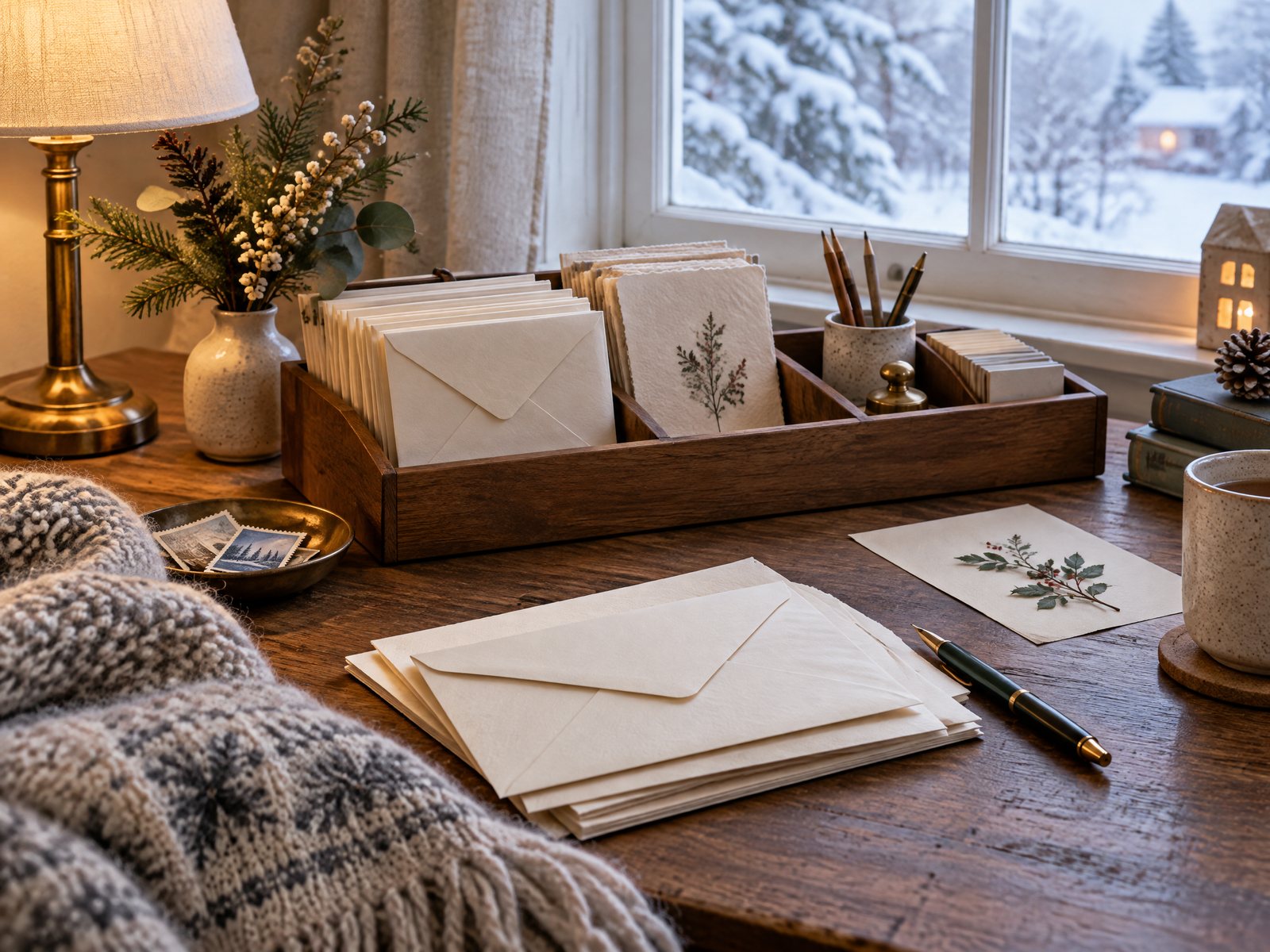
The letter and envelope work together. Before decorating, check that the envelope is large enough for your folded pages and any flat extras, and leave the address area clear and legible. Avoid adding bulky items that could bend the letter or complicate mailing. If you are uncertain about addressing or postage requirements, verify them with your local postal service rather than relying on a general rule.
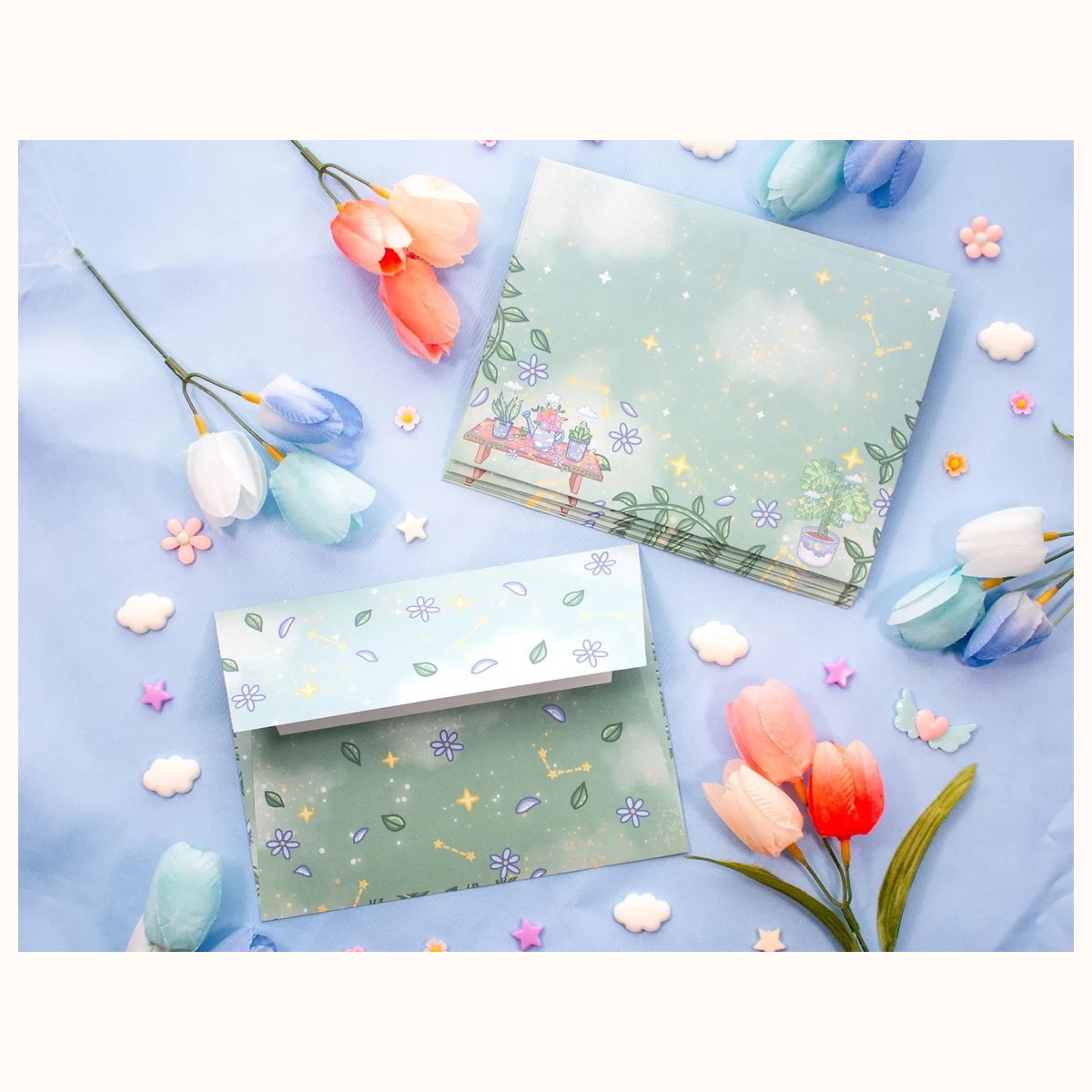
For a coordinated look, browse Farouk Book Store’s Envelopes collection. One real option is the Botanical Bliss Envelopes | Stationery Envelope Set, an A7 set of 10 with a floral design. The catalog describes full-color printing on both sides and inside, 70 lb paper, and a moisture seal. Those details suit a letter’s thoughtful feeling; check the product page and mailing needs before choosing it.
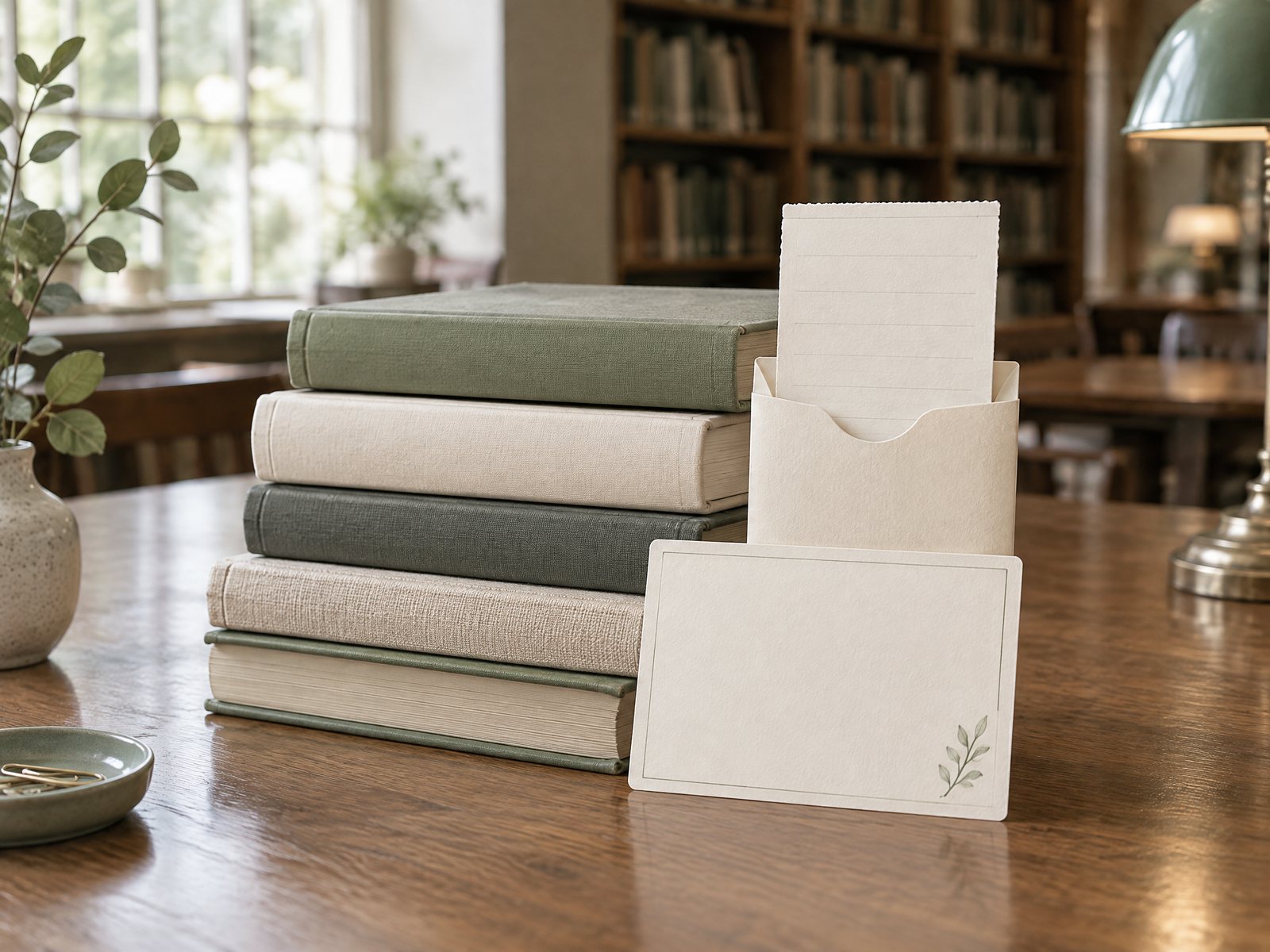
A different mood may suit each exchange. The Reading Room Envelopes | Stationery Envelope Set is also listed as an A7 set of 10, with full-color exterior and interior printing and a moisture-seal closure. Its reading-inspired presentation can pair well with a letter about books, quiet routines, or a recent library visit. The Love Story Envelopes | Stationery Envelope Set offers another decorative direction for warm notes and personal correspondence.
When decorating, choose one focal point, such as a sticker near the flap or a narrow strip of washi tape. Keep addresses, postage, and postal markings unobstructed. The Penpal Snail Mail Aesthetic Matte Sticker Sheet can add a small visual cue; place decorations where they will not interfere with handling.
If you are unsure whether a decorative envelope suits a formal exchange, keep the writing clear and easy to read. If a seal does not close securely, avoid pressing until the paper tears; use a small piece of tape on the flap or follow your postal service’s advice. For catalog questions, use Farouk Book Store’s contact page.
Before sending, read the letter as the recipient. Can they tell what you enjoyed, what you are curious about, and how they might reply? Add one easy question near the end, sign with your name, and mention a topic you would like to revisit next time. That final invitation turns a finished page into the beginning of an ongoing exchange.
Related reading: Why Handwritten Greeting Cards Still Matter · How to Build a Personalized Gift Bundle · How to Choose Stickers for Journals and Planners