When the weather keeps you indoors, the hardest part of sending letters is often not finding something to say. It is gathering envelopes, locating a pen that works, remembering addresses, and clearing enough table space to finish the job. A winter correspondence station solves that friction by giving one modest activity a ready home. Farouk Book Store can be a useful starting point for an editorial selection of envelopes and paper goods, while the station itself stays practical, private, and easy to put away.
This is not a letter-writing lesson or a promise that every message must become a grand seasonal project. Think of it as a small indoor system: supplies in one place, a repeatable batch size, and a clear boundary around personal information. You can send three notes one week and none the next. The goal is to make an occasional correspondence habit easier to begin and easier to stop.
Choose the station before choosing the decoration
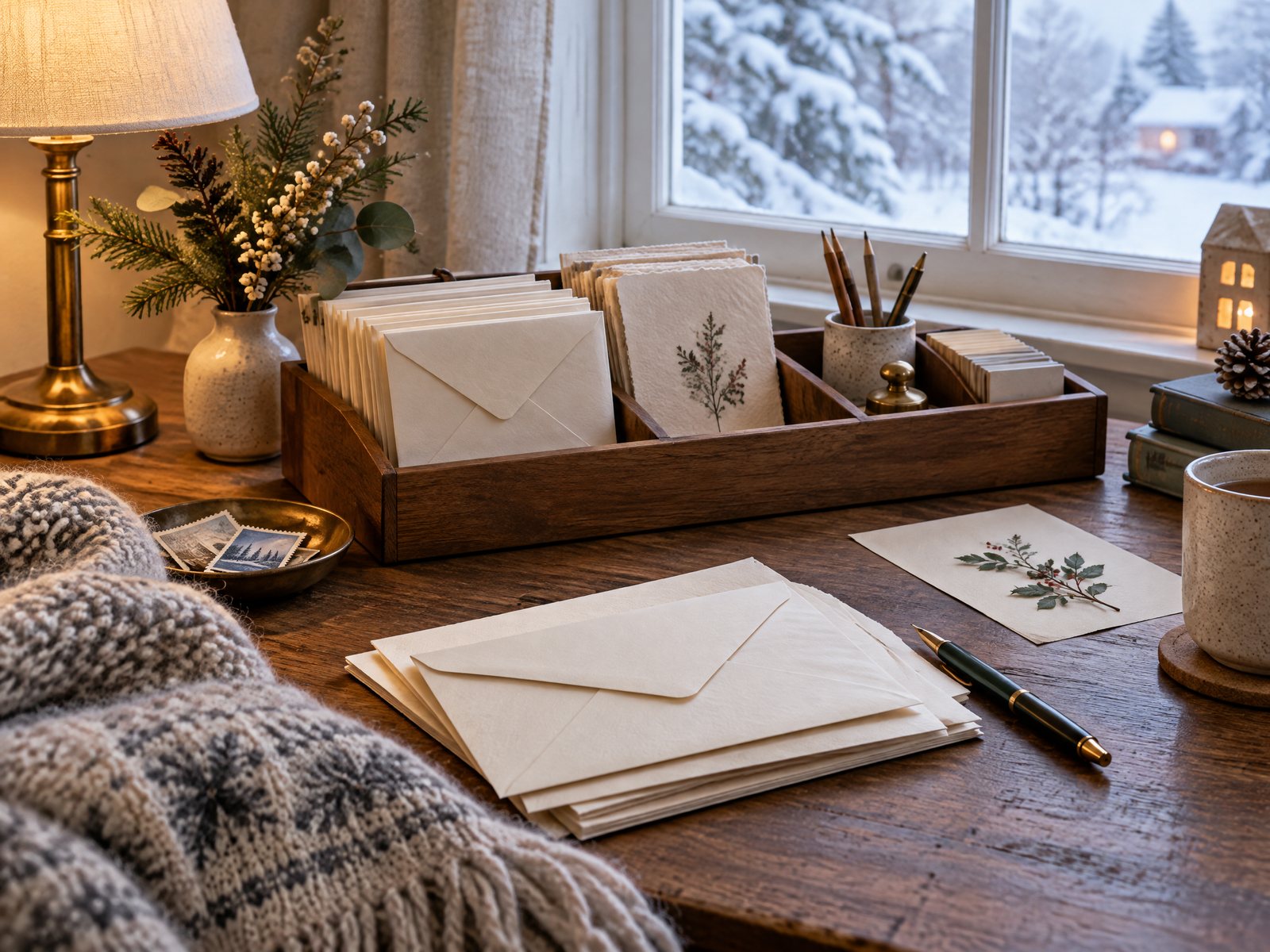
Start with the surface you will actually use. A tray on a side table, one drawer near a desk, or a shallow box beside a reading chair is enough. Leave room for one open envelope, a writing surface, and a discard pile for drafts or misaddressed pieces. A beautiful arrangement that occupies the whole dining table may look inviting on day one and become an obstacle by day three.
Use a simple three-zone layout:
- Write: blank cards or paper, a reliable pen, and a small support under the page if the surface is hard.
- Address: envelopes, an address list kept out of view, and a pencil for checking before ink.
- Finish: stamps or other postage items you already use, a place for completed pieces, and a recycling envelope for scraps.
Keep the visual direction warm but restrained. An ivory tray, a wool textile, or one winter-colored object can suggest the season without turning the station into a display that must be protected. If you use a candle, mug, or lamp nearby, keep liquids and heat separate from paper. Convenience should not depend on a fragile arrangement.
Before buying anything, count what you already have. One working pen, five usable envelopes, and a stack of plain paper may be enough for the first batch. The station is a workflow, not a requirement to acquire a matching set.
Build a small, useful supply edit
Choose supplies by the kind of correspondence you intend to send. For short updates to several people, a compact note card and a matching envelope reduce the amount of writing required. For a longer personal letter, choose an envelope that can hold folded pages without forcing the paper into an awkward shape. Do not select a format merely because it looks festive; check that it fits the message and any enclosure.
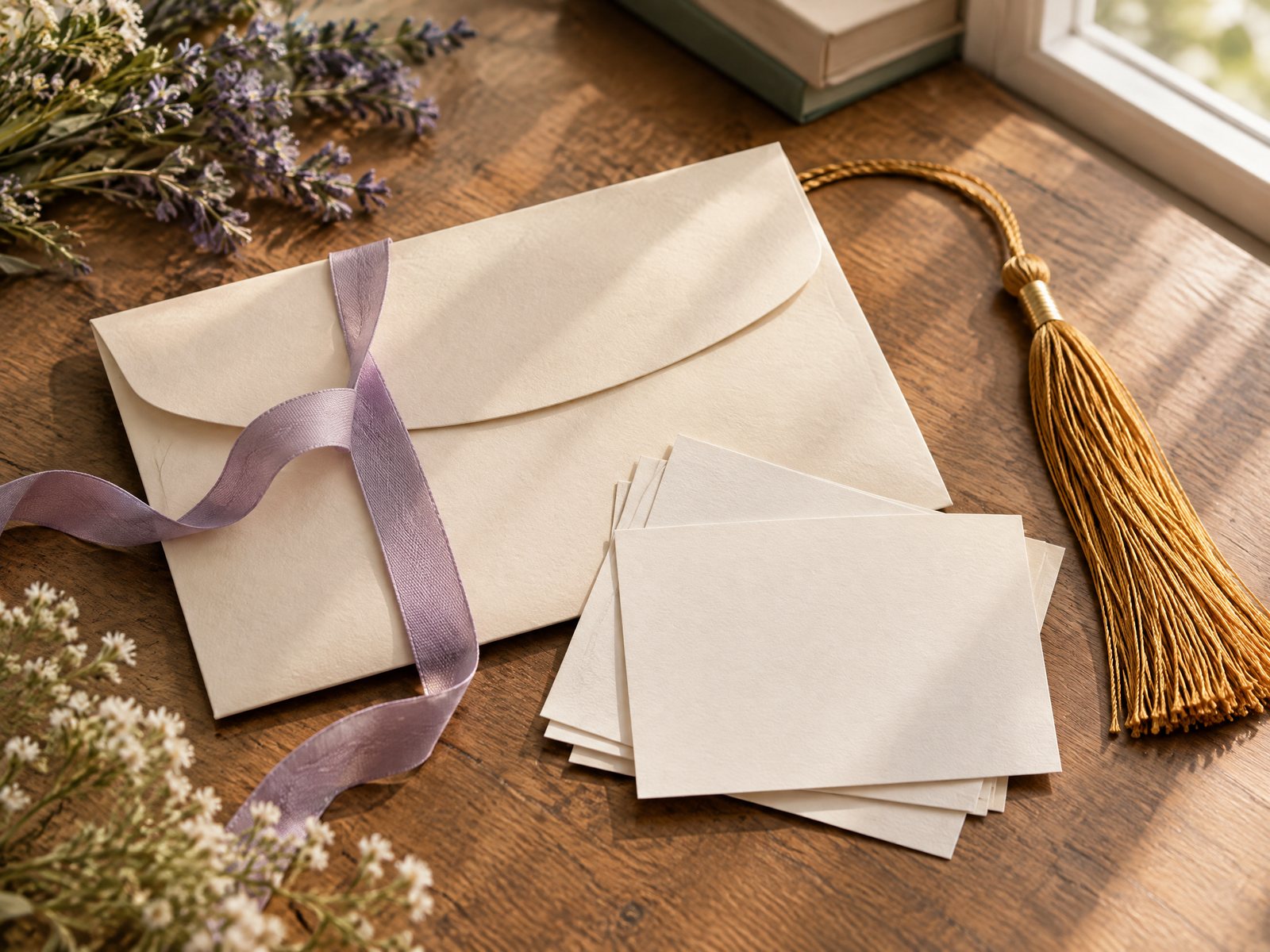
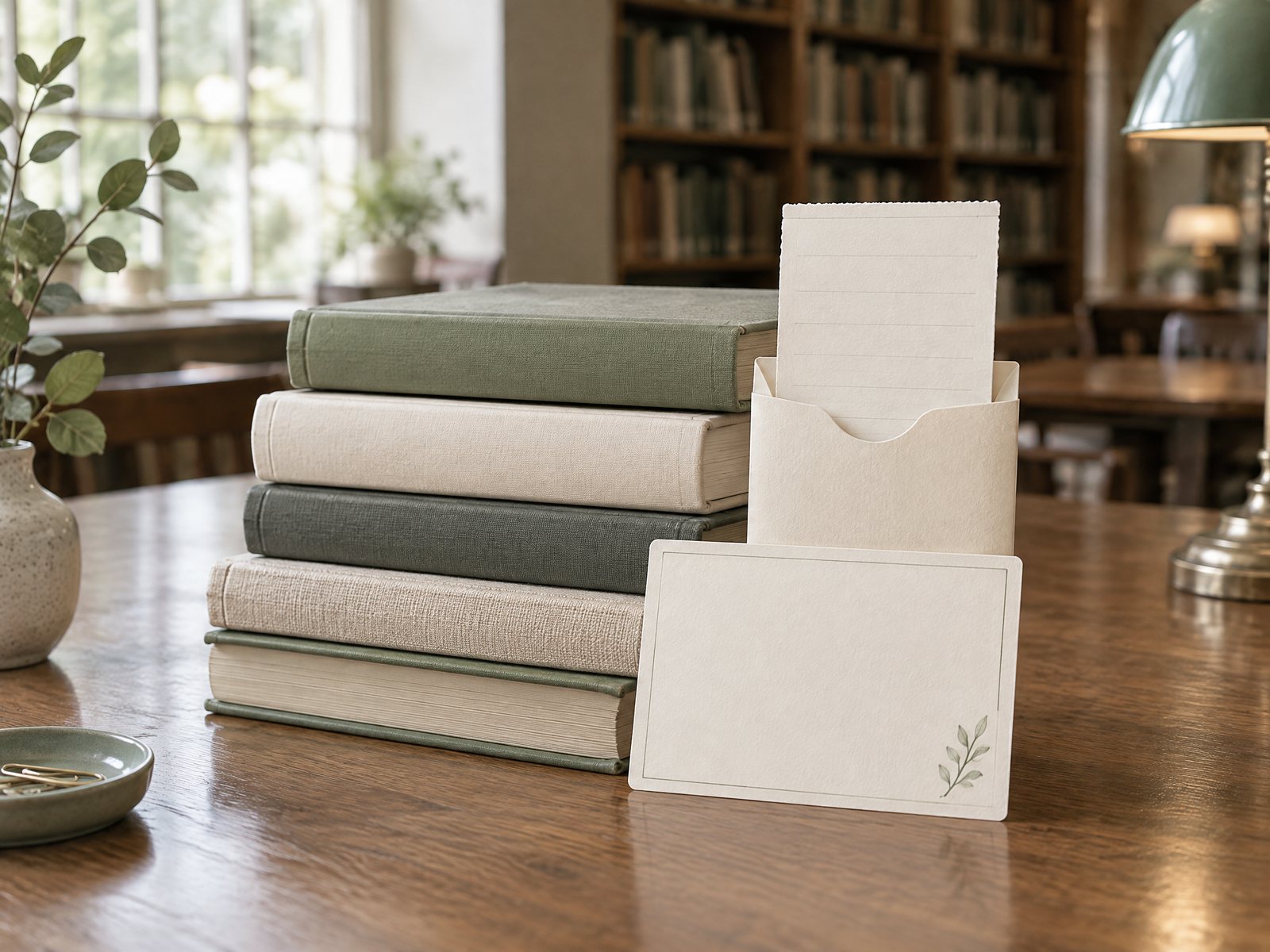
Farouk’s catalog includes the Reading Room Envelopes stationery set, listed as A7 envelopes in a set of 10. Its printed interior and exterior can give a short note a finished visual frame, while the quantity naturally supports a defined batch. The product description specifies an approximate 5.25 x 7.25 inch size, 70 lb paper, and a moisture-seal closure; treat those listed details as your planning reference and confirm current availability before relying on them.
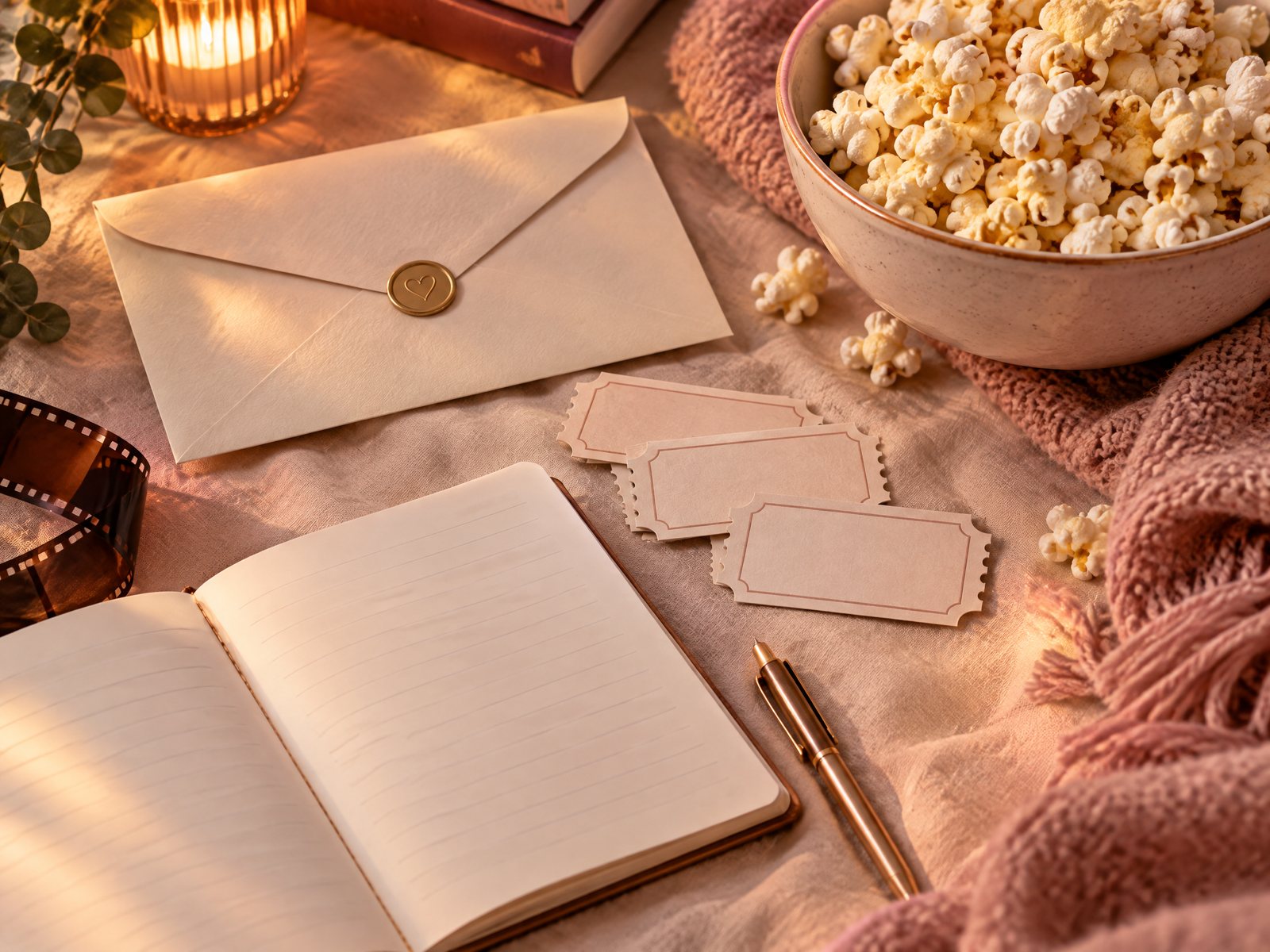
For a more romantic or vivid visual direction, the Love Story Envelopes stationery set is another catalog example. It is also listed as an A7 set of 10, with full-color printing and a moisture-seal flap. That makes it a candidate for a small run of personal notes, but it does not decide the tone of your message for you. A brightly printed envelope can hold a quiet thank-you just as easily as a celebratory note.
Keep the rest of the edit deliberately short. Add one writing tool you can identify quickly, a ruler only if you need help keeping addresses aligned, and a folder for finished pieces. If you want to compare options, browse the envelopes collection rather than filling the station with every possible style. Three choices are usually more useful than fifteen: one everyday option, one visually distinctive option, and a plain backup.
A common failure is buying supplies for an imaginary correspondence schedule. Ten envelopes do not mean you must send ten letters this week. They simply give you room to batch over time. Another failure is mixing papers with very different proportions and then discovering that some require a different envelope. Test one folded sheet and one enclosure before preparing the whole stack.
Batch the work without making it feel like an office task
Batching works because it separates decisions. First decide who belongs in this round; then prepare addresses; then write; then seal. Avoid doing all four jobs simultaneously. Switching between a warm personal message and a careful address check is where small errors and unfinished pieces multiply.
Try a four-step winter session:
1. Set a limit. Pick three to five recipients or a 30-minute window. A finite batch is easier to start than an open-ended promise to “catch up.” 2. Prepare the materials. Count envelopes, place the same number of sheets or cards nearby, and test the pen on scrap paper. 3. Write in a single pass. Leave a small space for a personal detail, but do not demand a perfect composition. If one message needs more time, set it aside instead of holding up the batch. 4. Review and finish. Check the name, address, enclosure, and seal for each item. Put completed pieces in a separate stack immediately.
Use a pencil or a temporary address slip before writing an envelope. Compare the recipient’s details with your private record, then put that record away before the station is photographed, shared, or left unattended. If several people share a household, confirm how each person prefers to receive mail rather than guessing. For a child, colleague, neighbor, or acquaintance, keep the information you retain to the minimum needed for this purpose.
Privacy also affects the physical setup. Do not place an open address book beside a window, shared workspace, or camera-ready flat lay. If you need to pause, cover the list and move completed envelopes away from drafts. A station can be welcoming without displaying anyone’s name, address, or personal message.
Adjust for real winter interruptions
Indoor plans often meet ordinary interruptions: a delivery arrives, a child needs the table, the light becomes poor, or a message suddenly feels too private to send. Build an adjustment into the station instead of treating it as failure. Keep unfinished items in a labeled folder that says only “in progress,” not the recipient’s name. Store the address list separately. That makes a pause less exposing and easier to resume.
If your hand gets tired, shorten the batch rather than changing the message into a generic copy. Two distinct notes are more useful than six rushed ones. If you lose momentum after addressing the envelopes, stop there and schedule writing for another day. Preparation still counts as progress, but do not leave addressed mail in an unsecured place.
If the station feels visually busy, remove accents before removing function. Keep the envelopes, paper, pen, and privacy folder; put away decorative ribbon, extra stickers, or duplicate tools. If the winter theme starts dictating every message, return to the recipient: what would this person actually appreciate receiving in the mail? Seasonal atmosphere should support attention, not replace it.
You may also discover that a particular envelope is too small for your chosen card or that the closure is inconvenient for your paper. Set one sample aside as a fit test and adjust the next batch. Product listings can describe dimensions and closure styles, but your own paper combination determines whether the finished piece works smoothly. If stock, color, or other details matter to your plan, contact Farouk Book Store before treating a listing as a guarantee; the site’s bag prepares an email order request, so inventory, taxes, and shipping still need confirmation.
A good station ends cleanly. Return unused supplies to the tray, move finished correspondence to its own location, and discard only drafts that contain private information in a way appropriate to your household. Leave the surface ready for the next short session. In a few weeks, you can reassess which envelopes were genuinely convenient, which batch size felt humane, and what you would change—without turning a quiet winter practice into a permanent project.
If you need help selecting a format or checking a current item, contact Farouk Book Store.
Related reading: Continue with How to Write a Thank-You Note That Feels Personal, Envelope Sizing for Note Cards and Small Paper Gifts, and Stationery Care and Storage in Warm, Dry Climates.