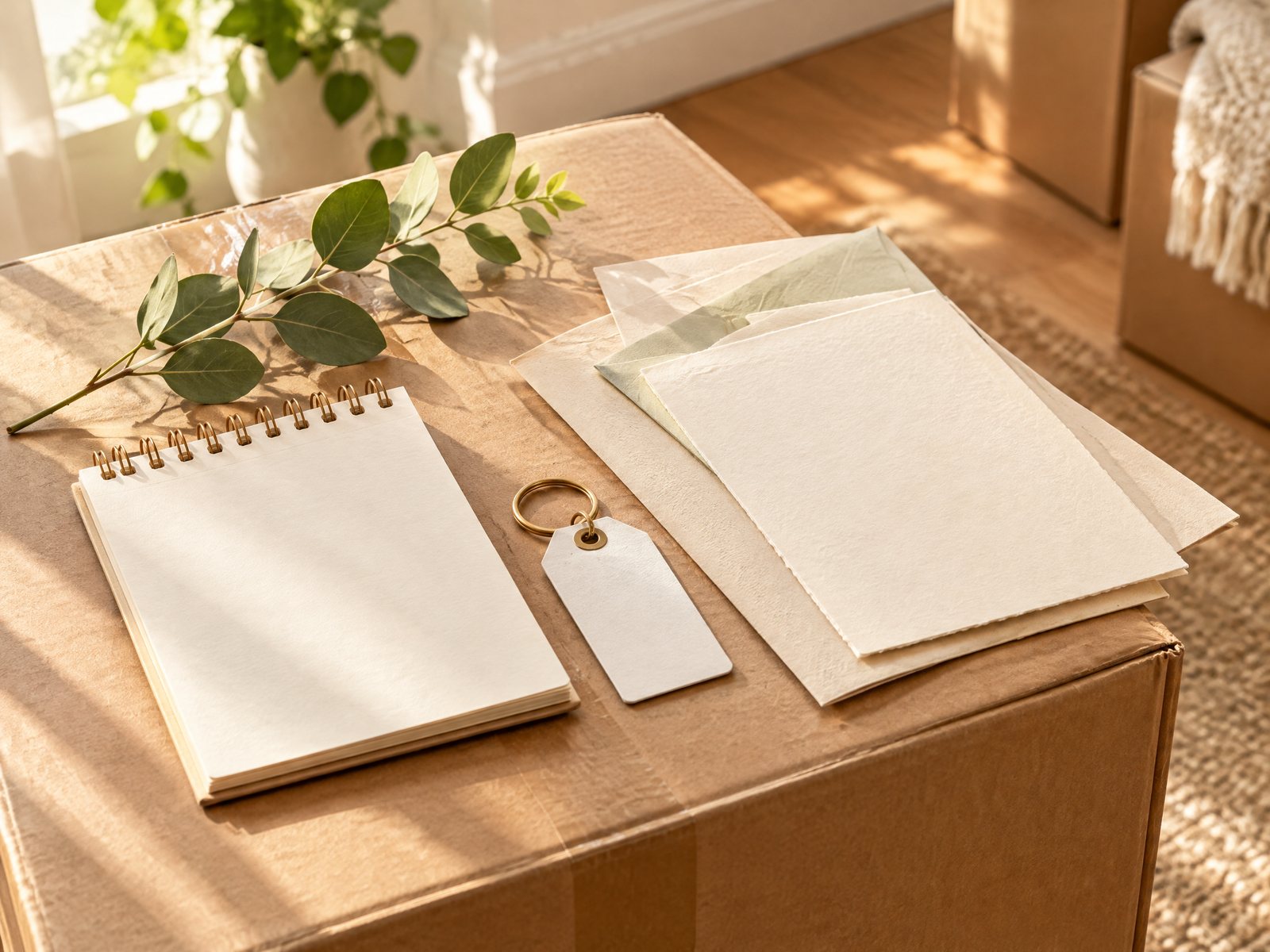
A new colleague can spend the first week absorbing names, systems, room numbers, and unwritten routines. A large gift or a very personal message can add pressure when what they need most is room to settle in. A small, useful gesture from Farouk Book Store can say “glad you’re here” without asking for a performance, a friendship, or an immediate response.
The best welcome is modest in size and specific in purpose: something they can use at a desk, a short card that does not demand disclosure, and delivery at a moment that will not interrupt training. Think of the shop as an editorial selection rather than a maker of every design in the catalog. Your job is to choose a paper item that fits the situation, check the workplace context, and make the handoff easy to decline.
Start with the workplace context, not the gift
Before choosing a color or motif, answer three practical questions. Is this a personal gesture from you, or is it being offered on behalf of a team? Can the person comfortably receive a small item at their desk? Does the workplace have a rule about gifts, food, visible decorations, or interactions with new hires? If you are unsure, ask a manager or coordinator about the general norm without naming the colleague’s private circumstances.
The distinction between personal and team gestures matters. A personal note can be warm but brief. A team welcome should avoid making one person responsible for matching everyone’s enthusiasm or contributing money. If several coworkers want to participate, agree on one modest item and one signatory such as “The studio team.” Do not create a collection of notes that the new colleague must acknowledge one by one.
Timing is another form of consideration. The first morning may be crowded with onboarding, account setup, and introductions. A quiet point near the end of a day, or after the first week’s main orientation, may be better. If the colleague works remotely or moves between locations, ask where a paper item would be convenient rather than sending it to an address you have not been given.
Keep the message within known boundaries. “Welcome to the team—hope your first week is going smoothly. No need to reply; I’m glad to help with practical questions” is enough. Avoid questions about family, health, religion, finances, or why they changed jobs. Avoid jokes that rely on insider knowledge they do not yet have. A welcome should open a door, not require the recipient to walk through it immediately.
Build a useful, low-pressure paper set
A simple formula works well: one writing item, one optional card, and no extra object that creates an obligation. A notepad gives the colleague a practical place to record names or questions without implying how they should organize their work. A card supplies the human context. If you include a decorative element, keep it removable and easy to leave at home.
The notepads collection is a sensible place to begin because it keeps the choice focused. For a compact desk gesture, Dreamy Thoughts Cute Aesthetic Sticky Notes can serve as a place for temporary reminders or questions. The word “temporary” is useful here: sticky notes do not suggest that the recipient must adopt a permanent planning system, and they can be kept in a drawer if the desk is shared or visually spare.
If the colleague tends to capture information in separate snippets, consider Purple Gradient Clouds Aesthetic Message Memo Notepad. A memo format can hold a short question for a later meeting, a room number, or a follow-up reminder. Do not present it as a solution to productivity or stress. It is simply a small surface for notes during a busy transition.
For a team that knows the colleague enjoys whimsical stationery, Starry Clouds Gradient Aesthetic Dreamy Memo Notepad offers another visual direction. Choose it because you have a reliable clue about their taste, not because you are guessing that every new hire wants a bright or cute item. If you have no clue, choose the least visually assertive option or give a neutral card without a decorative add-on.
These products are examples from Farouk Book Store’s catalog, not a claim that the shop manufactures every design. Check the current product listing before preparing an order. The site’s bag prepares an email order request rather than a payment checkout, so inventory, taxes, and shipping still need confirmation. Avoid promising the recipient a delivery date or describing an item as available until those details are confirmed.
Write a card that welcomes without overreaching
The card should do one job: establish a friendly, practical point of contact. Use two or three sentences, a readable signature, and an offer that does not create a debt. For example:
> Welcome to the team. I hope the first week has been manageable. If you need help finding a room or understanding a routine, feel free to ask—no need to reply to this note.
That wording leaves control with the recipient. It does not promise to solve every problem, and it does not assume they want social plans. If you are writing for a group, replace “I” with “we,” but make sure the group truly agrees to the offer. “We’re happy to point you toward the shared resources” is more concrete than “We’re always here for you.”
Avoid turning the card into an orientation manual. A long list of names, acronyms, links, and instructions belongs in an approved workplace channel, where it can be updated. Do not write confidential information on a paper item that may be left on a desk. If a note includes a room number or meeting time, verify it and make clear whether it is an invitation or merely a helpful pointer.
Handwriting can make a small gesture feel personal, but legibility matters more than flourish. Write a draft on scrap paper first. If the recipient may have a different preferred name or pronunciation, use the name provided in their workplace introduction rather than guessing. Keep the greeting neutral if you do not know whether “Hi” or a more formal salutation fits the organization.
Deliver it with an exit ramp
A low-pressure handoff is short, private where appropriate, and easy to refuse. You might say, “I brought a small welcome note and notepad. I’ll leave it here; please feel free to take it or leave it.” The second sentence may sound unusually explicit, but it protects the colleague from having to perform gratitude in front of a group. If the desk is shared or unattended, ask before leaving anything there.
Never make the gesture a test of belonging. Do not announce it at a team meeting, photograph the handoff, or ask for a reaction. Do not follow up with “Did you like it?” A simple “Hope the first week is settling down” during a normal conversation is sufficient. If the item remains unopened, disappears from the desk, or is declined, let the matter end there.
There are useful adjustments for common failure cases. If the colleague has a clear no-gifts preference, give only a verbal welcome and a pointer to official resources. If workplace policy limits personal gifts, ask whether a shared office supply is appropriate; otherwise, skip the item. If the person has a desk-free role, choose a small note that can fit in a bag, or deliver the message digitally through the approved channel instead. If the team’s welcome already includes several gifts, add no more—your note can stand alone.
If you are ordering through Farouk Book Store, keep the request precise: identify the product, quantity, and any confirmed delivery details, then wait for inventory, taxes, and shipping information to be confirmed. Do not build the welcome around an assumed price, a promised arrival window, or an unverified workplace policy. For questions about the shop or an order request, use the contact page; general information about Farouk Book Store is available on the about page.
A first-week welcome succeeds when it reduces social weight rather than adding to it. Choose one useful paper item, write a short message, check the context, and offer it without an audience. The colleague may use the notepad immediately, save it for later, or never use it at all. Respecting that choice is part of the welcome—and it is what turns a small gesture into a considerate one.
Related reading: Stationery Gifts for Coworkers with Different Work Styles, How to Plan a Stationery Gift Budget Without Guesswork, and How to Build a Personalized Gift Bundle.