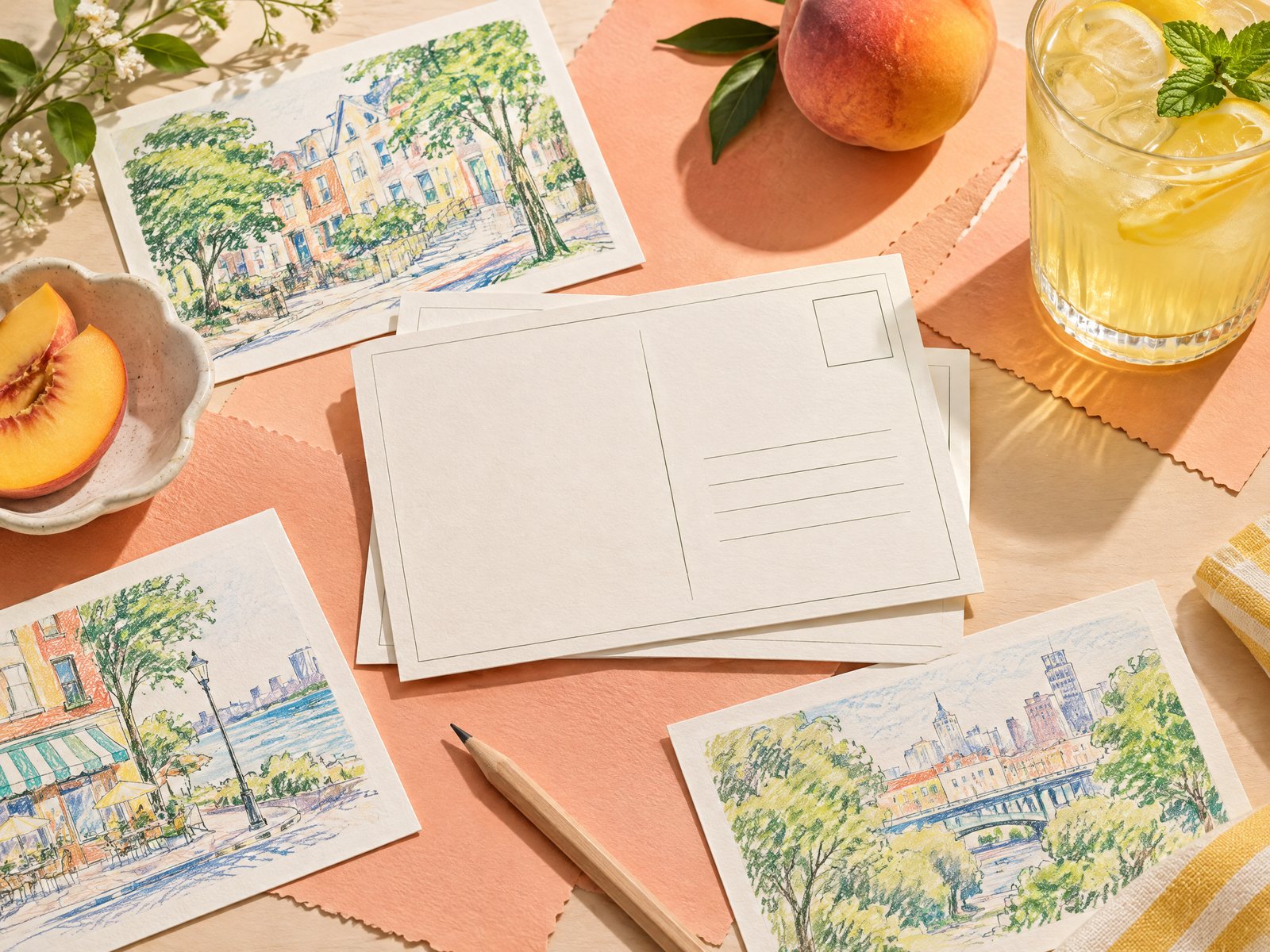
A favorite book can leave your shelf in seconds and become surprisingly hard to track afterward. You may remember the person, but not the edition, the date you lent it, or whether “bring it back sometime” meant next week or next season. A small, courteous note gives the exchange a shared reference point without turning a favor into surveillance. Farouk Book Store’s stationery selection can help you make that reference visible, separate from the book itself and easy to revise when plans change.
The aim is not a contract or a demand for constant updates. It is a lightweight record: which personal copy went out, what the borrower wanted from it, and how both people would like the return to work. That distinction matters. A lending note should reduce avoidable memory gaps while leaving room for a busy schedule, a changed reading plan, or a simple “I am not ready to return it yet.”
Start with the book, not the deadline
Before writing anything, identify the copy you are actually lending. If you own several editions, note a short combination of details: title, author, cover color, and any distinctive mark that is already present. “The blue paperback with my penciled name inside” is more useful than a vague title when your shelves contain multiple copies. Do not add private information that the borrower does not need, such as a home address or personal account details.
Then decide what kind of loan this is. A holiday loan, a recommendation for a reading group, and a sentimental favorite need different levels of clarity. For a casual recommendation, a brief note might say:
> Book: [title] — Lent to: [name] — Date: [date] — Revisit return: [week or occasion]
For a treasured or out-of-print copy, add a gentle handling request in ordinary language: “Please keep it dry and let me know if anything happens.” That is a request, not an accusation. If you would be genuinely upset by a lost or marked page, say so before the book leaves rather than hoping the other person will infer it.
A useful note also records why you thought of that reader. “I think you will enjoy the setting” or “This is the edition with the introduction I mentioned” gives the loan context. It can make the paper feel like a recommendation rather than an inventory tag. Keep the explanation short; the note is there to support the conversation, not replace it.
Build a note that is easy to honor
Choose a format with enough room for the facts and no pressure to fill every inch. A compact card from the note-card collection works well when you want a separate record that can travel with a bookmark or sit beside your own reading list. The Reading Room Note Cards are a natural visual fit for a lending exchange, while Pastel Academia Note Cards suit a quieter, study-oriented recommendation. Farouk Book Store is presenting these as catalog selections; the point is to choose a useful paper format, not to imply that the shop manufactured every design.
Use a simple layout with four zones:
1. Identification: title, author, edition clue, and the date it left your shelf. 2. Reason for lending: one sentence about why this reader might enjoy or need it. 3. Return conversation: a date to revisit the loan, or an occasion such as “after your trip.” 4. Flexibility line: an explicit invitation to ask for more time or discuss a different plan.
The final line changes the tone. Try “If your timing changes, just tell me—we can reset the plan.” It acknowledges that a return date is a coordination tool, not a test. If you do not need the book by a particular date, write “No fixed deadline; let’s check in next month” instead of inventing urgency.
For a card that needs to stay with the borrower, keep the record minimal. For a note that stays at home, you can include a little more detail, such as the shelf location, the matching bookmark, or whether the book is part of a pair. Do not attach a note with adhesive to the cover, jacket, or pages. A loose card, envelope, or removable paper band keeps the book itself free from marks and makes the system usable for signed, borrowed, or delicate copies.
Pick a return plan that fits the relationship
The strongest lending plan is specific enough to remember and soft enough to discuss. “Return it soon” creates two different expectations. “Could we check in around the first Saturday in May?” gives you both a moment to revisit the plan without pretending that the book’s exact return can be predicted.
Match the plan to the situation:
- Short loan: Write a concrete day, especially if you need the book for an upcoming trip or appointment. Add a friendly reminder method you have already agreed on, such as a message.
- Open-ended recommendation: Write a review point rather than a due date. “Let’s talk after you have had a chance to start it” keeps the exchange about reading, not compliance.
- Shared event: Tie the return to a book-club meeting, visit, or move between homes. This reduces the number of separate dates to remember.
- Sentimental copy: Agree on a check-in and explain that you would like the book back when the borrower is finished. If lending it feels too risky, offer to discuss the book instead of lending that particular copy.
Write down what both people actually said. A note that says “return by Friday” when the conversation was “I will try for Friday” creates friction later. Use “target,” “check in,” or “around” when that is the honest agreement. If the borrower asks for more time, update the note with a new date rather than adding a stern second message. The visible revision shows that the plan is current.
Avoid turning the card into a running log of every reminder. One entry, one agreed check-in, and one update are usually enough. If the book becomes overdue, speak directly and privately: “I am ready for it back now. Could you bring it by next week?” The note should help you remember that conversation, not serve as a substitute for it.
Handle the awkward cases before they grow
A few small decisions prevent a simple loan from becoming a source of embarrassment. If you lend to someone you do not know well, use a neutral note and a clear check-in rather than recording assumptions about when they will finish. If the borrower is a child or a guest in your home, keep the language welcoming and make the return arrangement visible to the responsible adult when appropriate. Do not put a full name or personal contact information on a card that may be misplaced.
What if the book is damaged? Separate care expectations from blame. First ask what happened and what would make the situation fair; then decide whether repair, replacement, or simply acknowledgment is appropriate. A prewritten threat on the lending note rarely improves that conversation. A calm line such as “Please tell me if the copy is damaged so we can decide what to do” leaves room for honesty.
What if you forget the loan entirely? That is a reason to maintain a home record, not to interrogate the borrower. Keep a small envelope of current lending cards near your shelf, or place the note in a dedicated section of a notebook. A book sleeve can hold a book while it is in transit, but it should not be treated as a tracking system; the note remains the clearer record. If a card is lost, recreate only the essential details and confirm them in conversation.
What if the borrower never starts the book? Remove the shame from the return. “You do not have to finish it—would you like to return it, or keep it a little longer?” respects the difference between interest and obligation. Sometimes the most useful lending note records a graceful exit: a check-in date, permission to return unread, and a reminder that the recommendation can wait.
You can also choose not to lend. If a copy is irreplaceable, heavily annotated, or needed soon, say that plainly and offer a discussion, a reading list, or another edition if one is available. A paper system is not a reason to override your own boundary.
Make the note part of a repeatable shelf habit
After the book returns, close the loop in one minute. Mark the return date, note any agreed follow-up, and file or recycle the card according to your preference. Do not preserve unnecessary personal details. If the borrower loved the book, you might write one short recommendation for a future exchange; if the book was not a fit, record that privately so you do not repeat the suggestion.
Keep the habit small enough to use every time. A pocket of blank cards, one pen, and a consistent four-part layout beat an elaborate lending database that you abandon after two loans. If you want an envelope for cards that should stay together, browse the stationery envelopes collection; an envelope can hold current notes without placing anything on a book’s pages or cover. For questions about a catalog item or its availability, use Farouk Book Store’s contact page rather than assuming stock or delivery details.
The best personal book-lending note does quiet practical work. It identifies the right copy, preserves the reason for the recommendation, names a mutually understood check-in, and leaves dignity on both sides of the exchange. Once the book comes home, the note can be closed and put away. The relationship should not feel like paperwork; the paper is simply there so memory does not have to carry the whole favor.
Related reading: Continue with How to Use Reading Log Bookmarks to Track Your Books, How to Start a Reading Journal You Will Actually Use, and Book Sleeve Sizing: Measuring Your Books Before Buying.