The history of greeting cards is, at heart, a history of people finding small ways to reach one another. Long before a card could be picked from a shop display, people sent written good wishes for holidays, milestones, and moments that called for care. Today, a greeting card can still do something a quick message often cannot: it gives a thought a physical place to land. It can be held, reread, tucked into a drawer, or displayed where it brightens an ordinary day.
At Farouk Book Store, an Arizona boutique founded in 2022, we believe cheerful paper goods make room for meaningful connection. A card may be modest, but it can celebrate a birthday, soften a difficult week, welcome a new beginning, or simply say, “I saw this and thought of you.” Understanding the history of greeting cards makes that familiar ritual feel even more intentional. It reminds us that the message matters as much as the design, and that a few sincere words can travel surprisingly far.
Before the Folded Card: The Earliest Good Wishes
The history of greeting cards begins with the much older practice of exchanging written messages. Across different cultures and eras, people used letters, notes, and decorated pieces of paper to offer congratulations, seasonal wishes, invitations, and affection. These were not necessarily “cards” in the modern retail sense. They were personal objects made for a particular recipient and occasion.
As paper became more available and printing developed, decorative messages could be produced more easily. In Europe, printed seasonal greetings became increasingly familiar over time, especially as postal systems made sending a note more practical for more people. The idea was simple and enduring: choose or create a message, add a personal line, and send someone a moment of recognition.
That purpose explains why the history of greeting cards is more than a timeline of paper, ink, and illustration. Greeting cards created a convenient form for a very human impulse. They offered a way to acknowledge people when conversation was not possible, when distance made a visit difficult, or when emotions felt easier to express in writing.
The format also made room for creativity. Some early greetings were carefully handwritten, while others were printed and embellished. A card could be formal or funny, elaborate or spare. That flexibility remains part of the appeal. The right card does not have to be grand; it only needs to feel suited to the person opening it.
How Printing and Post Shaped a Familiar Tradition
The modern history of greeting cards took shape as printing techniques improved and the mail became a dependable part of daily life. Printed cards made attractive artwork and sentiments easier to share beyond a single household or social circle. Lower-cost postage and standardized mailing practices helped turn the custom into an accessible tradition rather than something reserved for special occasions or formal correspondence.
Holiday cards became especially popular because they solved a generous problem: how to send warm wishes to many people while still leaving space for a personal note. Birthdays, anniversaries, weddings, new babies, graduations, sympathy, and friendship soon had their own card-giving customs. Over time, cards became a familiar social language. They gave people a helpful starting point when they wanted to say something but did not know how to begin.
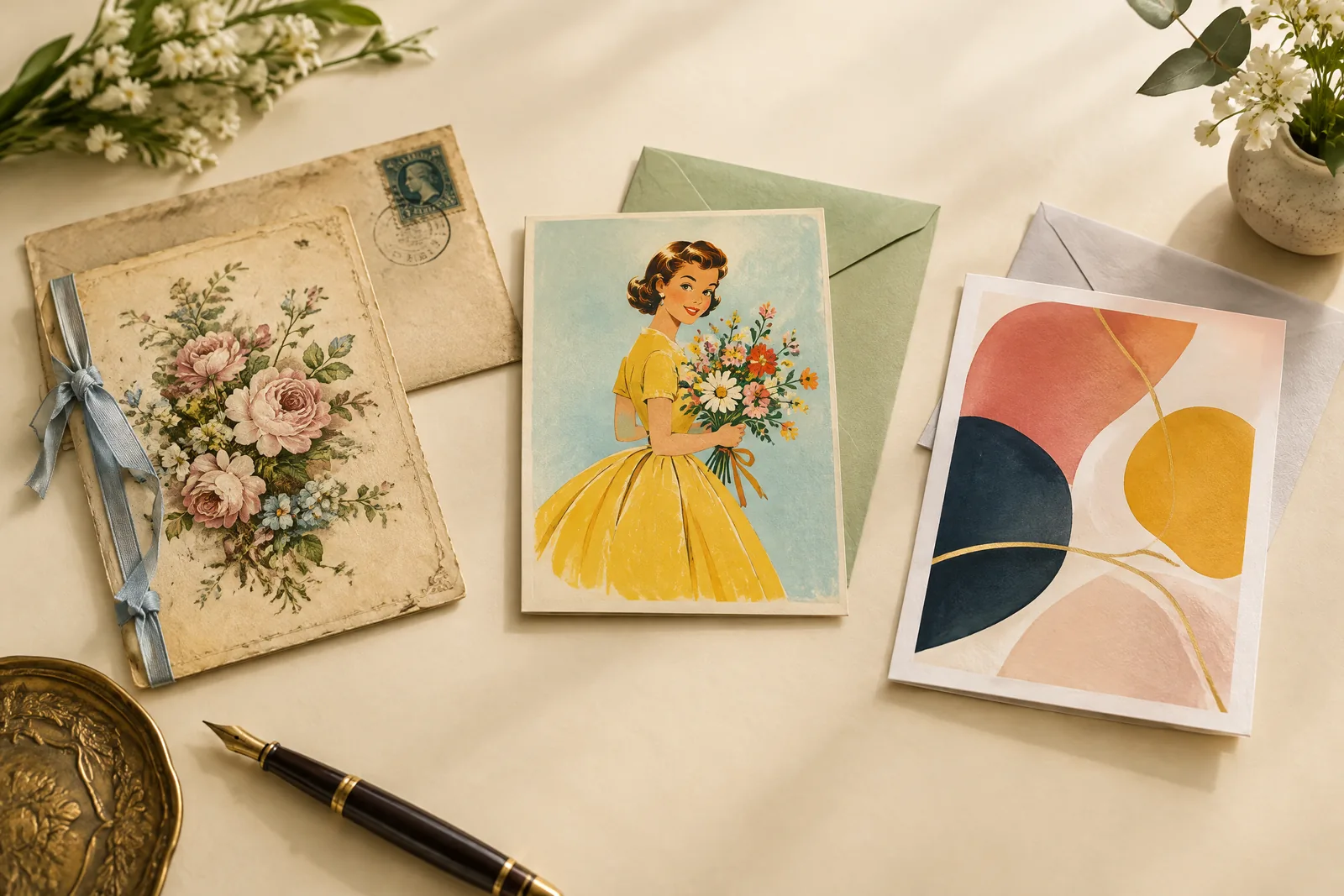
Design changed along with the tradition. Illustrators and printers explored flowers, landscapes, typography, humor, animals, bright color, and seasonal scenes. Some cards leaned sentimental; others were playful or unexpected. This visual variety is an important part of the history of greeting cards because it shows how the format adapted to changing tastes without losing its basic purpose.
The card itself also became a small keepsake. A person might save a wedding card for its loving advice, a birthday card for a friend’s handwriting, or a sympathy card for the comfort it offered at a hard time. Unlike a note that disappears into a message thread, a paper card has a presence. It sits on a mantel, desk, fridge, or bookshelf and continues to remind someone that they were considered.
When you browse a greeting cards collection, it can help to think of each design as an opening rather than a complete statement. The artwork sets a tone, but your added words make the card belong to one person and one moment. That partnership between a ready-made object and a personal message is one reason the tradition has lasted.
The Modern Meaning of Sending a Card
In a world of instant communication, the history of greeting cards may feel especially relevant. Digital messages are useful, immediate, and often deeply meaningful. A card is not better because it is slower; it is different because it asks for a little more attention. Someone has to choose it, write in it, address it or hand it over, and trust that the recipient will meet it in their own time.
That extra pause can be powerful. Sending a card says that a moment was worth marking. It does not require perfect language or a dramatic occasion. A card can accompany a gift, follow up after a visit, welcome a move, or arrive with no reason beyond care. The history of greeting cards shows that people have long used written wishes to bridge distance. Modern life gives us new tools, but the need for a tangible reminder of connection has not disappeared.
Today’s cards also make space for more individual voices. You can look for a design that matches an inside joke, a favorite color, an animal someone loves, or the feeling you hope to offer. A bright card can bring levity to a busy season; a quieter design can create room for a thoughtful message. The best choice is not the one that says everything for you. It is the one that makes your own words easier to share.
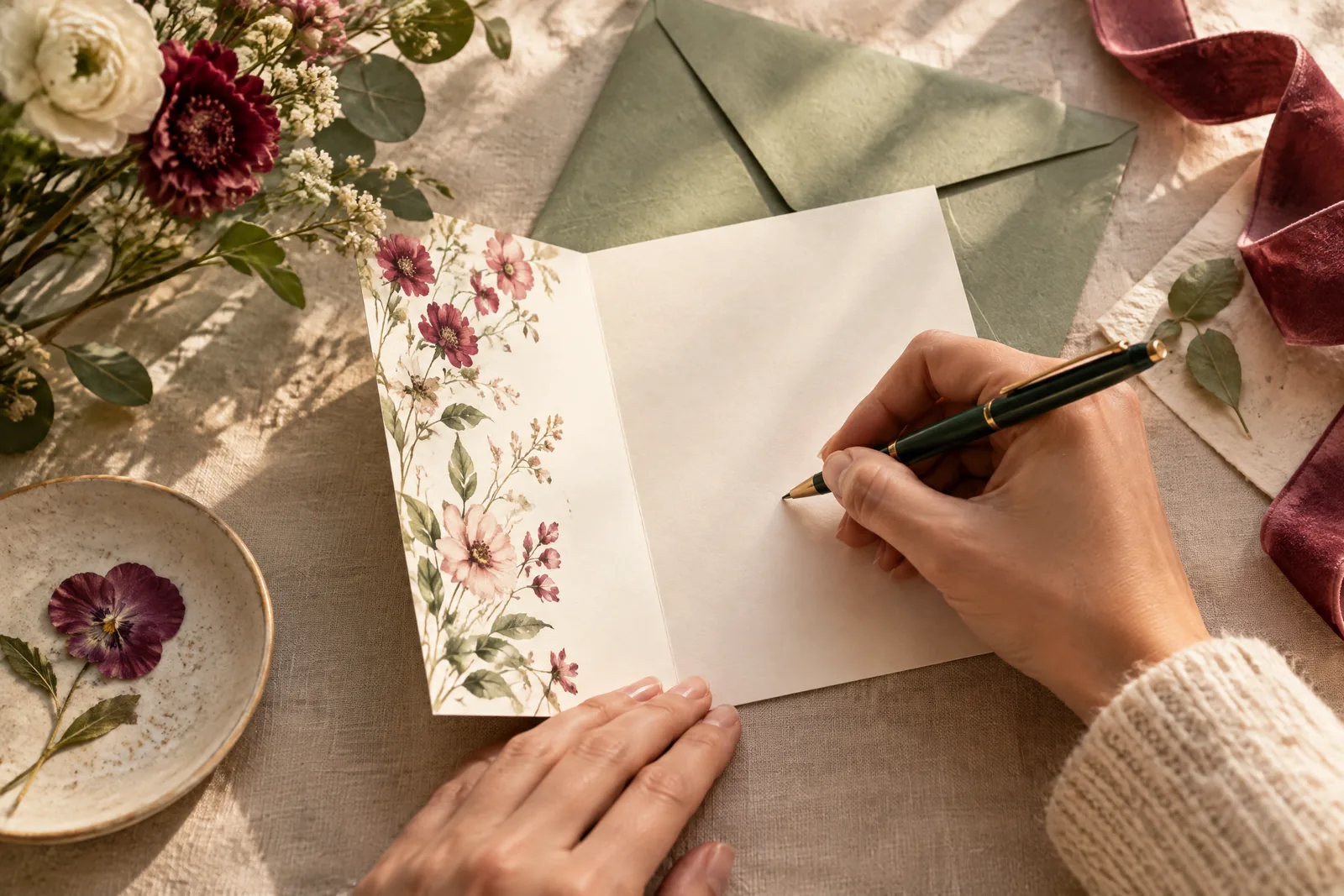
A handwritten note does not need to be long. Start with the occasion or the reason you are reaching out. Add one specific detail about the person or your relationship. Then close with a wish, a memory, or a simple expression of support. “I am cheering for you in this new chapter” is meaningful. “I am cheering for you, and I still think about how calmly you handled that impossible Tuesday” is even more personal.
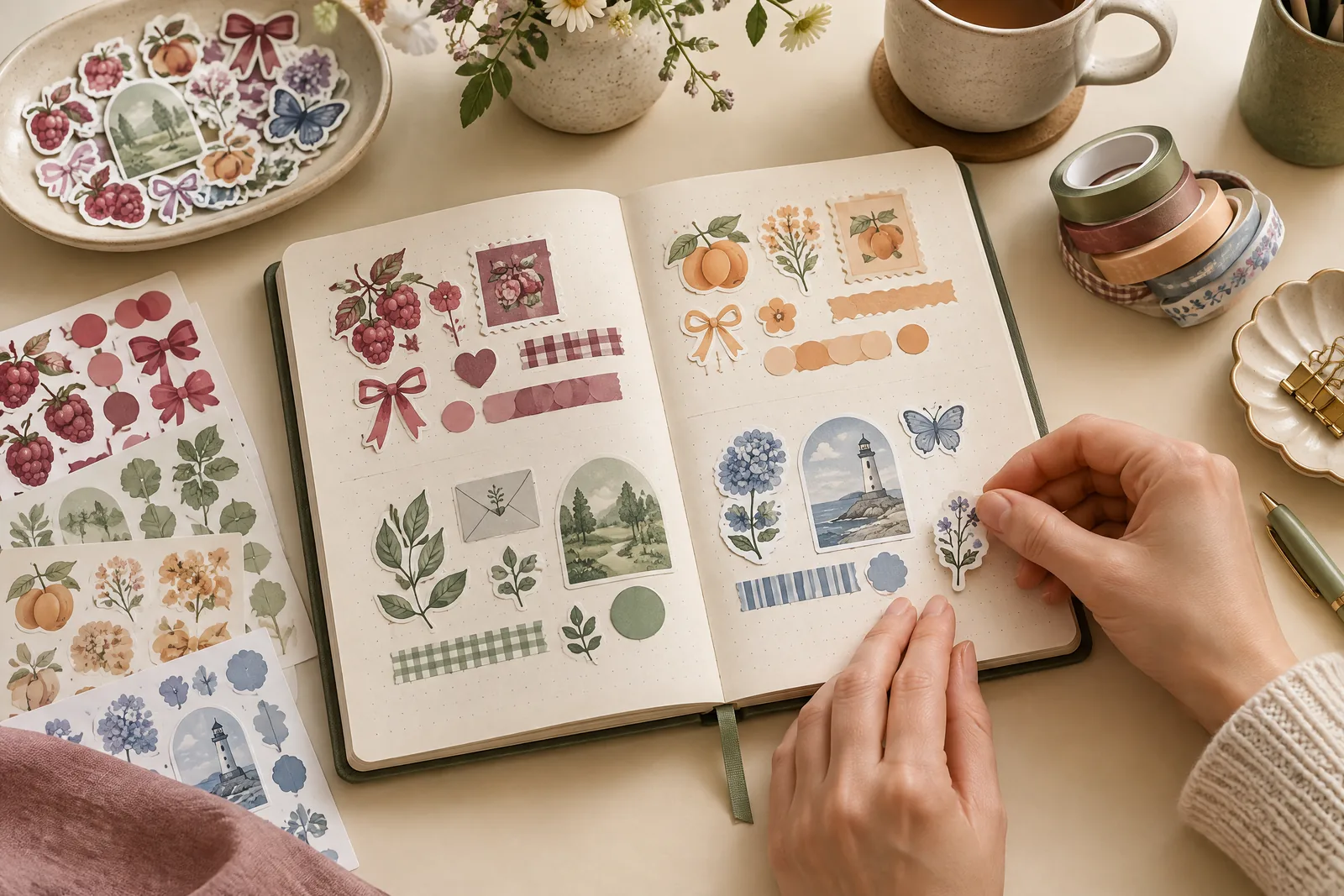
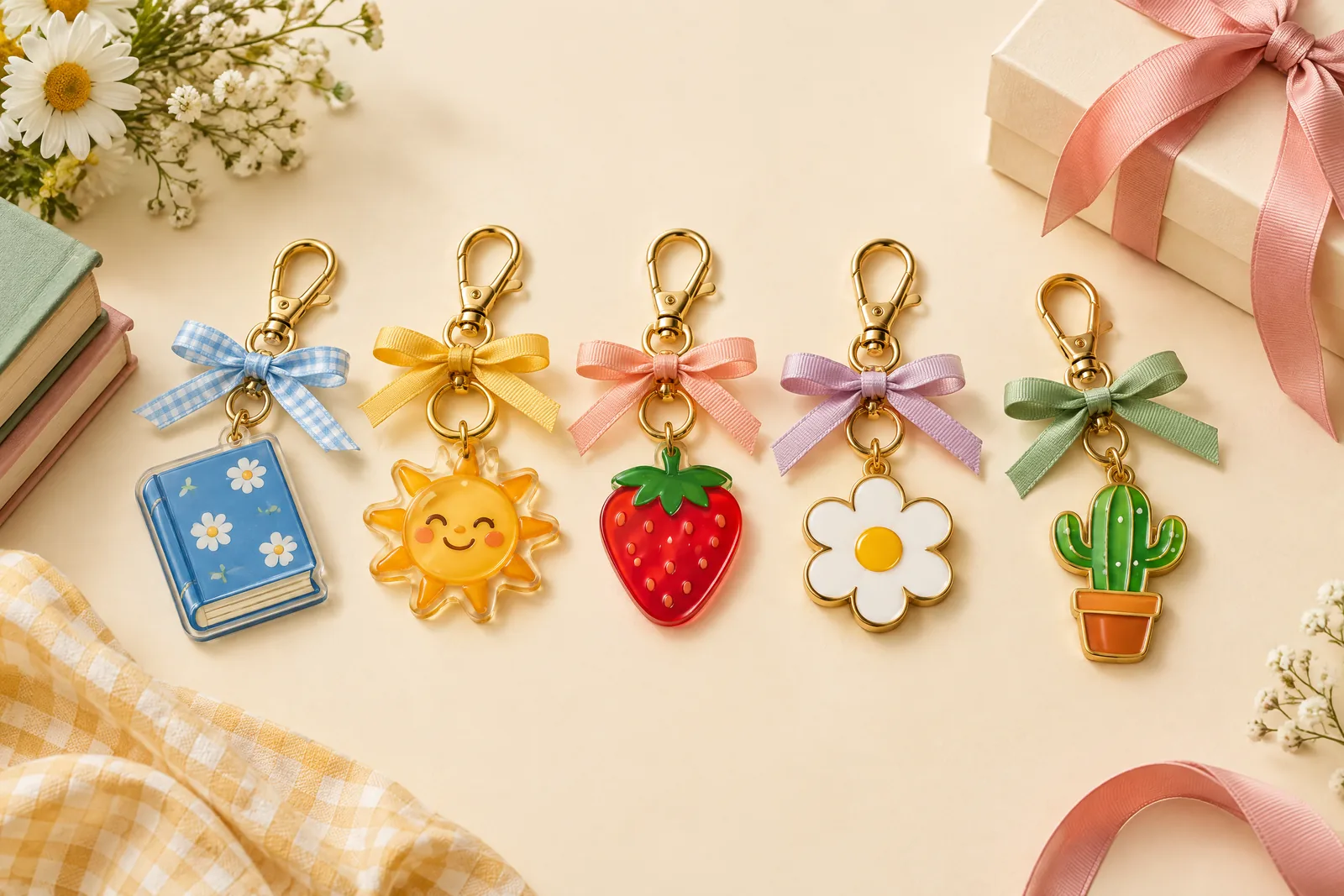
You can turn that small gesture into a fuller moment by pairing a card with something practical or playful. A few finds from the stickers collection can make a card feel like a tiny creative care package. A piece from the creative keychains collection can add a useful keepsake for someone starting a new job, moving house, or celebrating a milestone. For more ideas, explore the full collection of cheerful gifts and paper goods.
Choosing a Card With Intention Today
The history of greeting cards can guide a more relaxed approach to choosing one now. Begin with the recipient, not the occasion alone. Consider what would make them smile, what they are experiencing, and how much space they may need for your message. A birthday card for a close friend may invite a funny story. A card for someone going through a tender time may call for warmth without trying to solve anything.
Then let the card’s design support the message. A bold, humorous image can suit someone who enjoys a little mischief. A simple illustration may be better when you want your handwritten words to be the focus. If you are unsure, choose a card that feels honest to your relationship rather than one that tries to be universally impressive.
Keep the practical details easy. Buy a few versatile cards before you need them, along with stamps if you plan to mail them. Store them in a place you will remember, so an unexpected birthday or difficult week does not become a rushed errand. The new arrivals are a lovely place to look when you want a fresh design for an upcoming occasion.
Most importantly, write the note while the thought is still clear. Mention why you chose the card, recall a shared moment, or name something you appreciate. There is no need to write a speech. Two or three true sentences are enough to make a greeting card feel like a gift in its own right.
For Farouk Book Store, the history of greeting cards is a reminder that small paper objects can hold real feeling. Whether you are creating a birthday bundle, sending encouragement across miles, or adding a handwritten note to an everyday gift, choose something that feels joyful and make it personal. Learn more about the people and spirit behind the shop on our About page, or contact us if you would like help finding a thoughtful paper good for someone special.